My husband and I went on a safari last fall, and I took, oh, probably a zillion pictures. Maybe more. It turns out to be relatively easy to back up a zillion pictures by date, but really hard to try to make a story out of them.
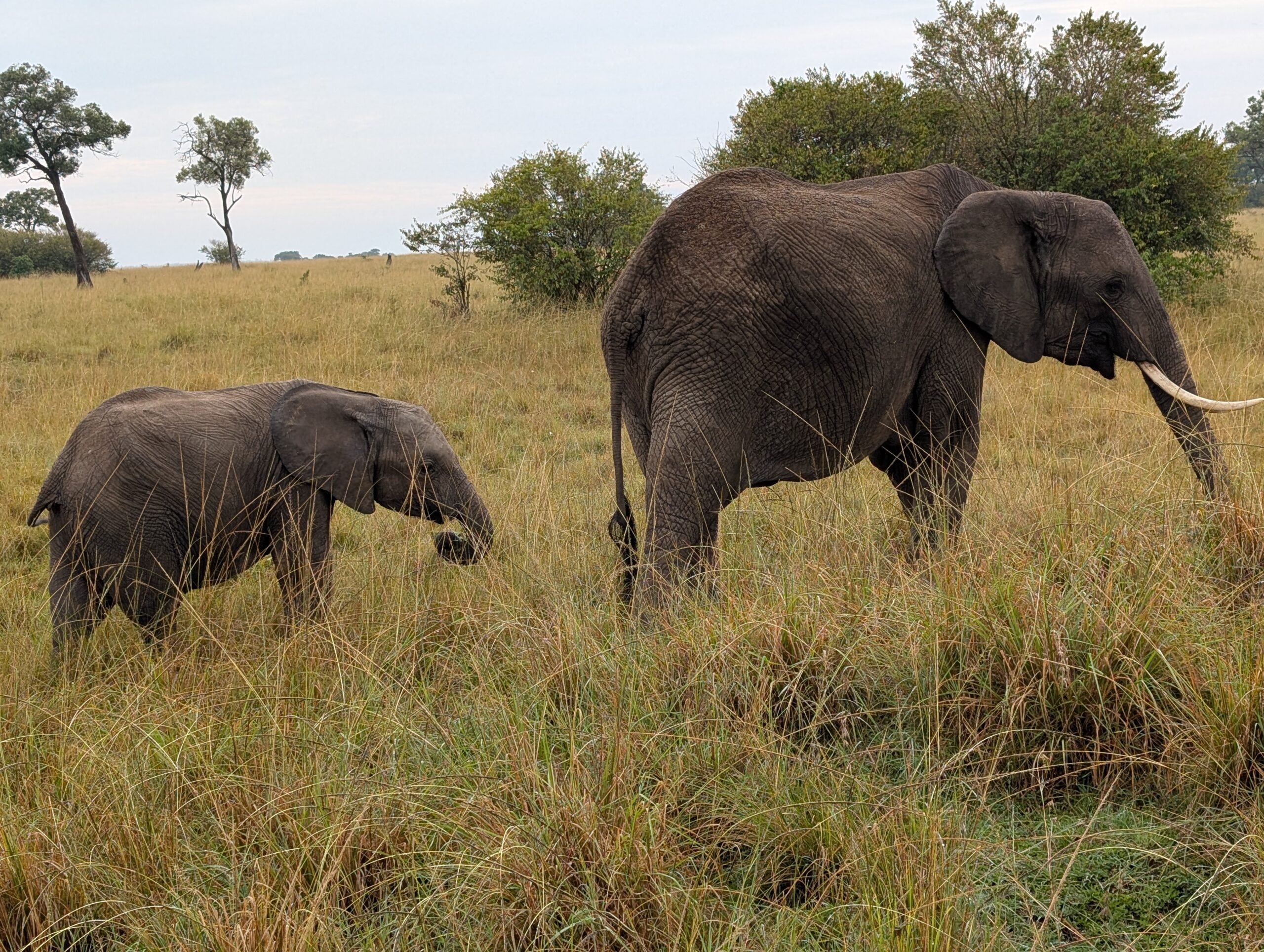
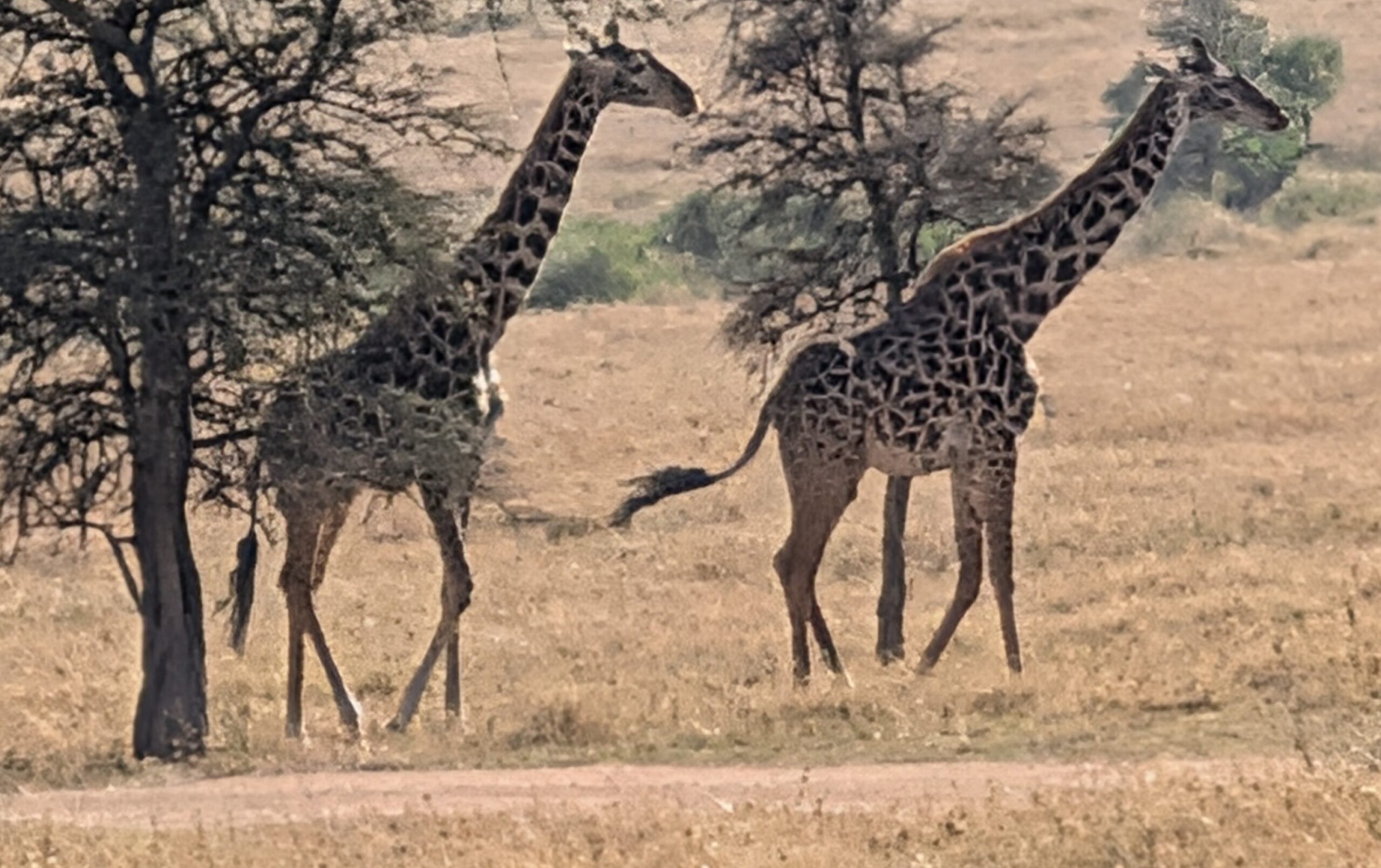
Elephants! Elephants! Elephants! Every day, elephants. Hundreds of pictures of elephants, but in this safari story, I need only . . . one. Same with giraffes and zebras and . . . So, anyway, that took time, but now I have a small album of maybe thirty or forty of the most varied and salient experiences. And I’ll share many of them here.
First, I have to explain that this safari was on my husband’s bucket list, not mine. Am I glad I went? Yes, absolutely! Would I go again if I had the chance? Well, no. I already have all the pictures of elephants I might possibly need. And yet, who can resist taking more?!
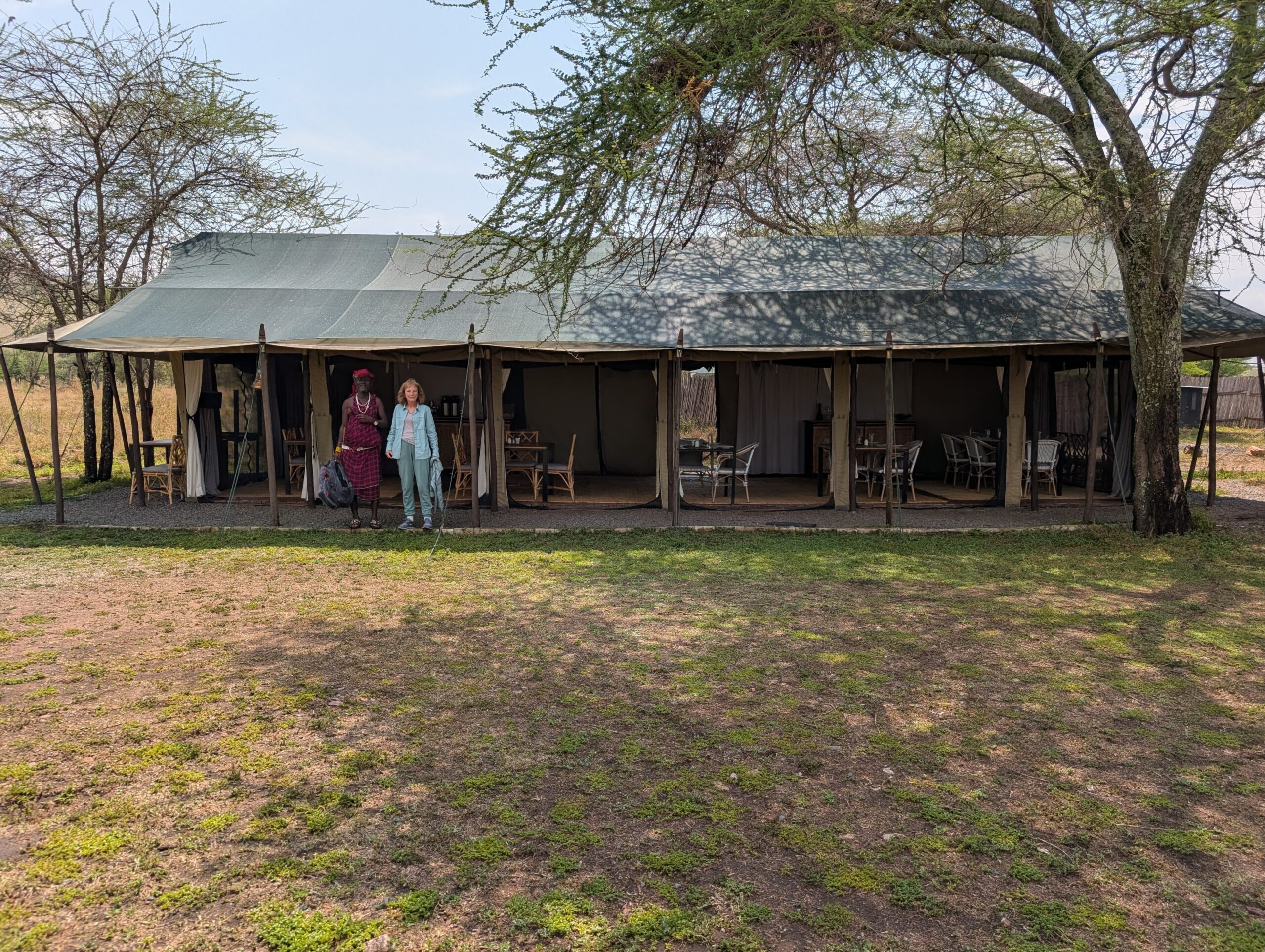
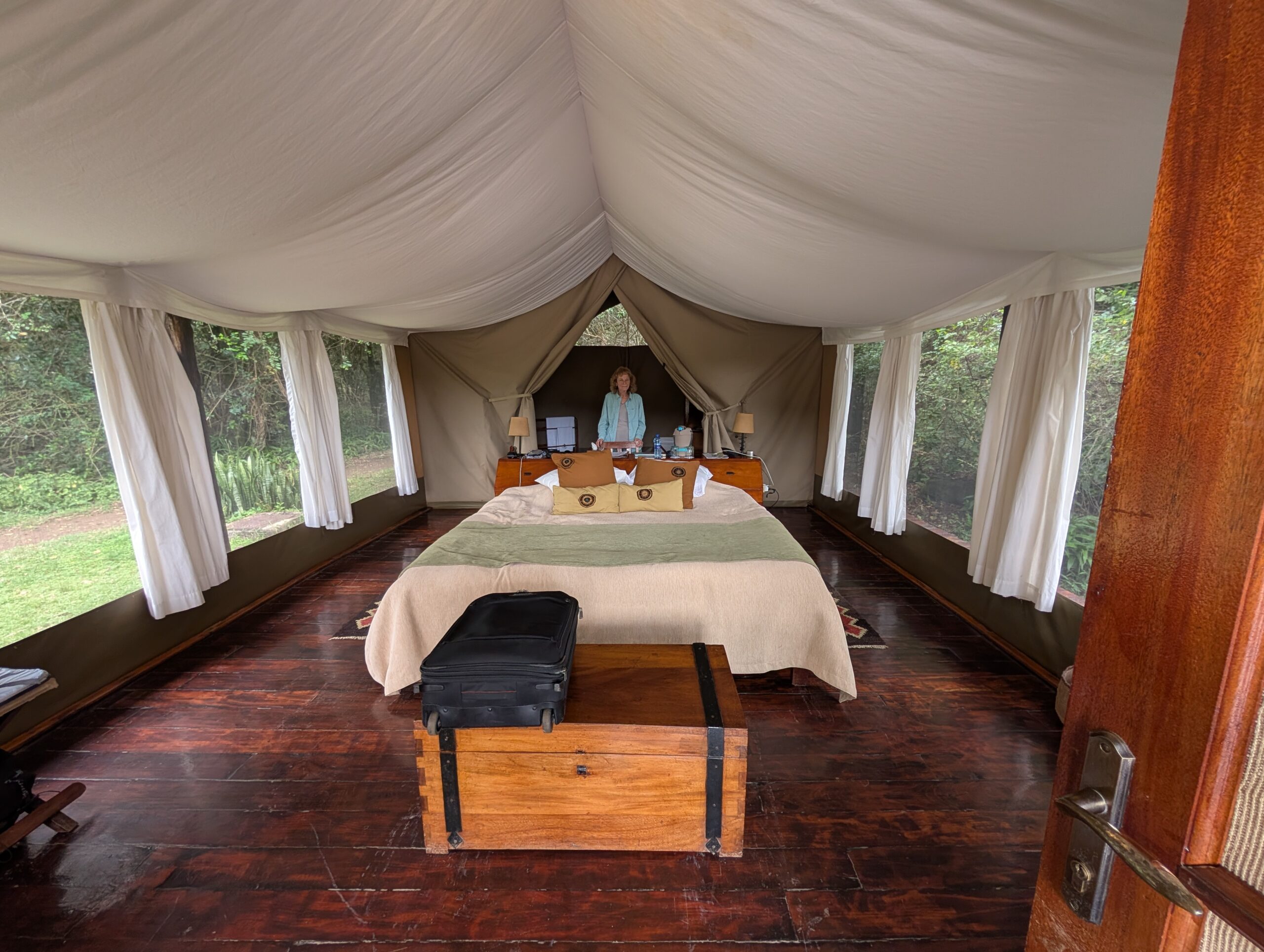
We did do this safari in as luxurious a way as we could. Our camping tents were more luxurious than some of the hotels we’ve stayed in.
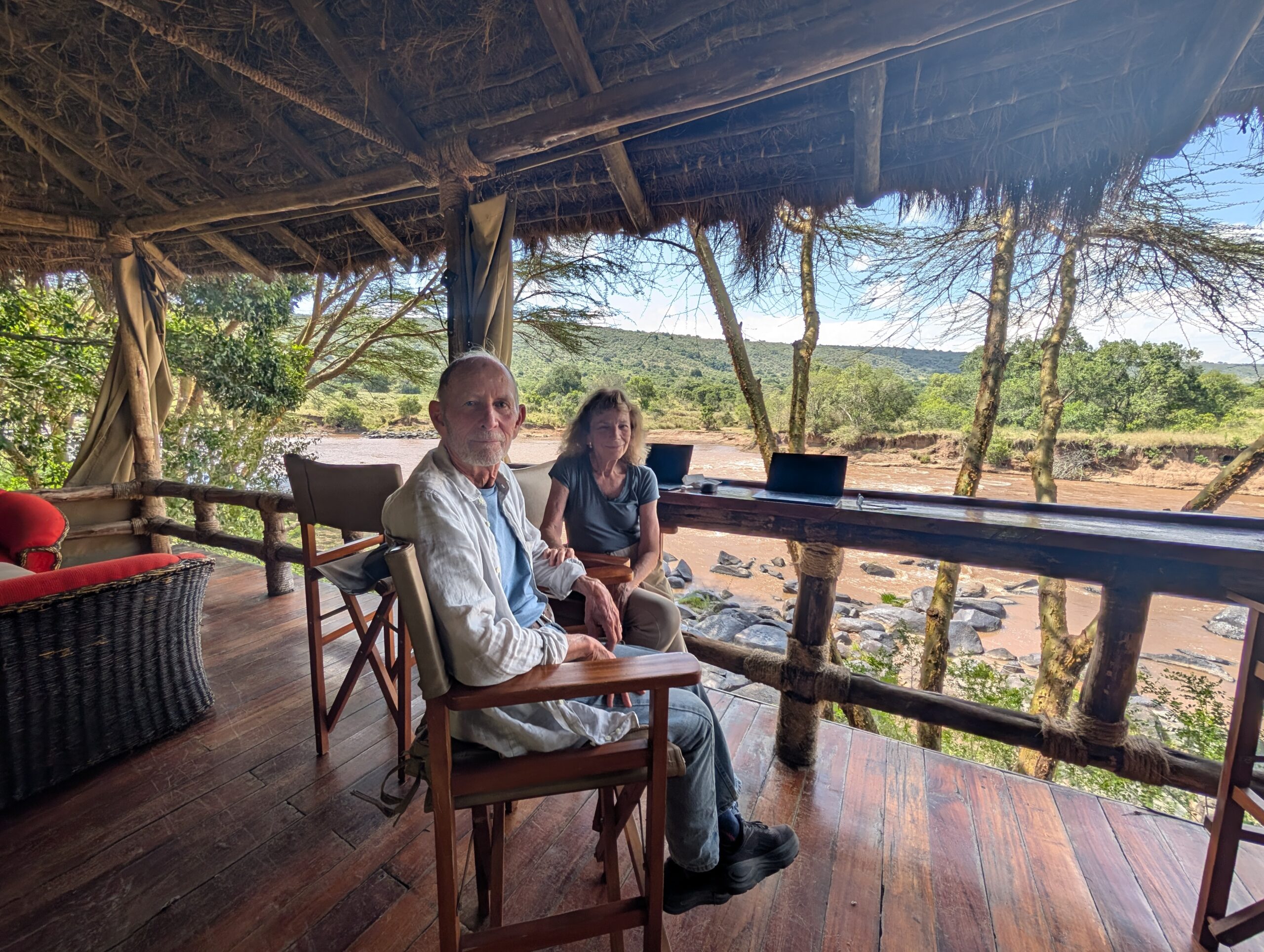
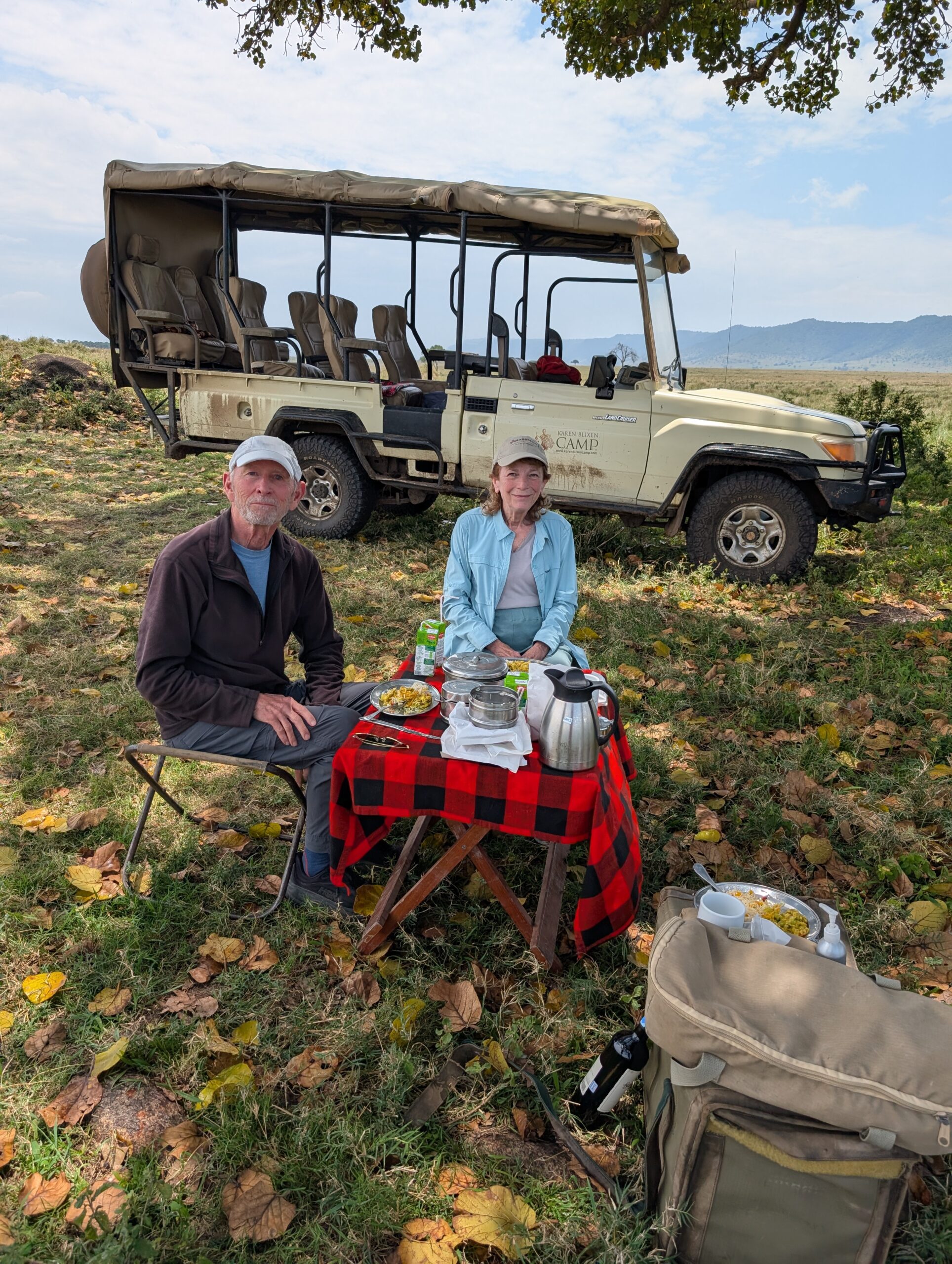
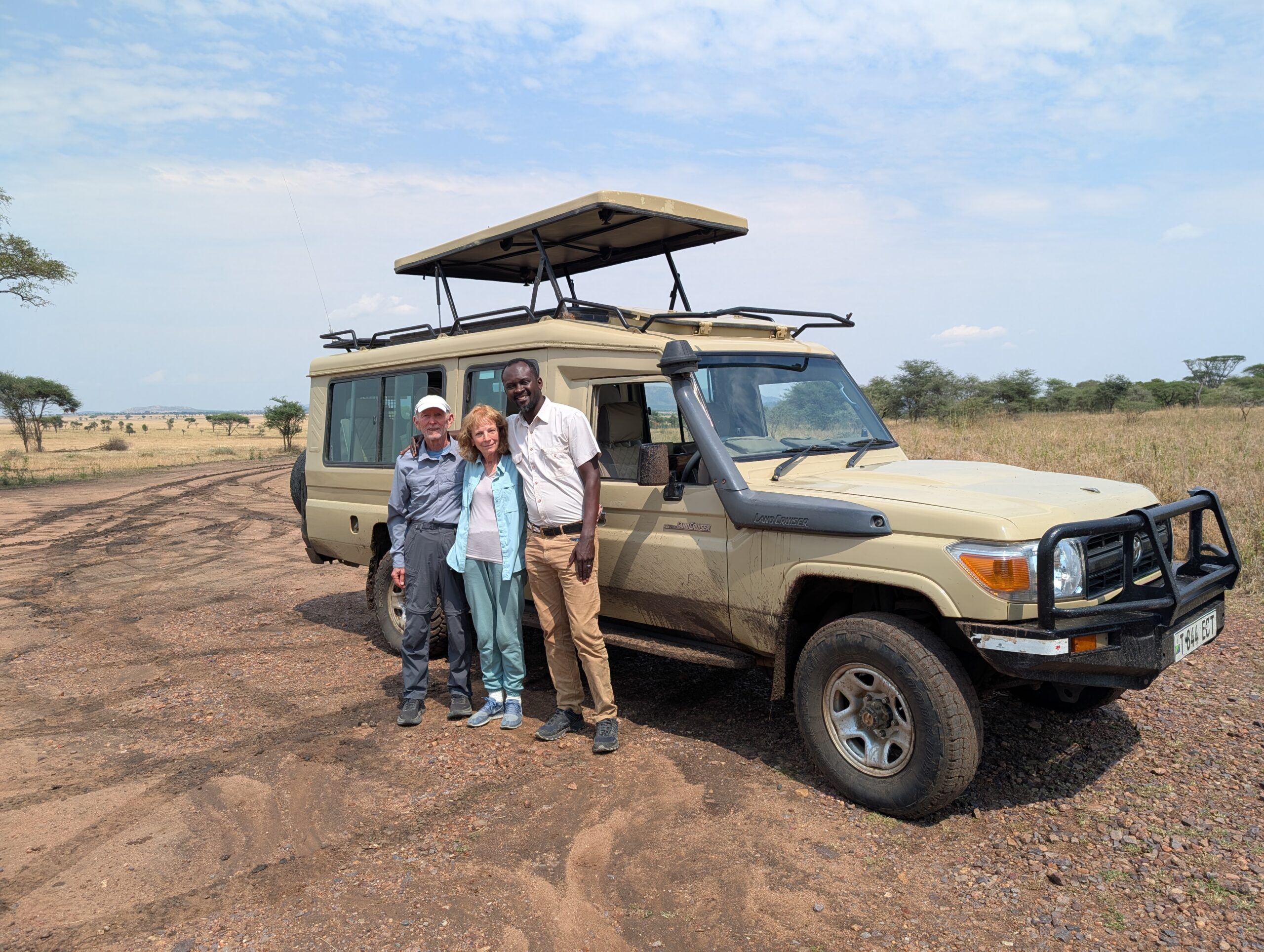
Our guides and drivers were also very friendly and helpful–and the vehicles were designed to promote good viewing (and photographs).
The landscape was gorgeous, and filled with animals…
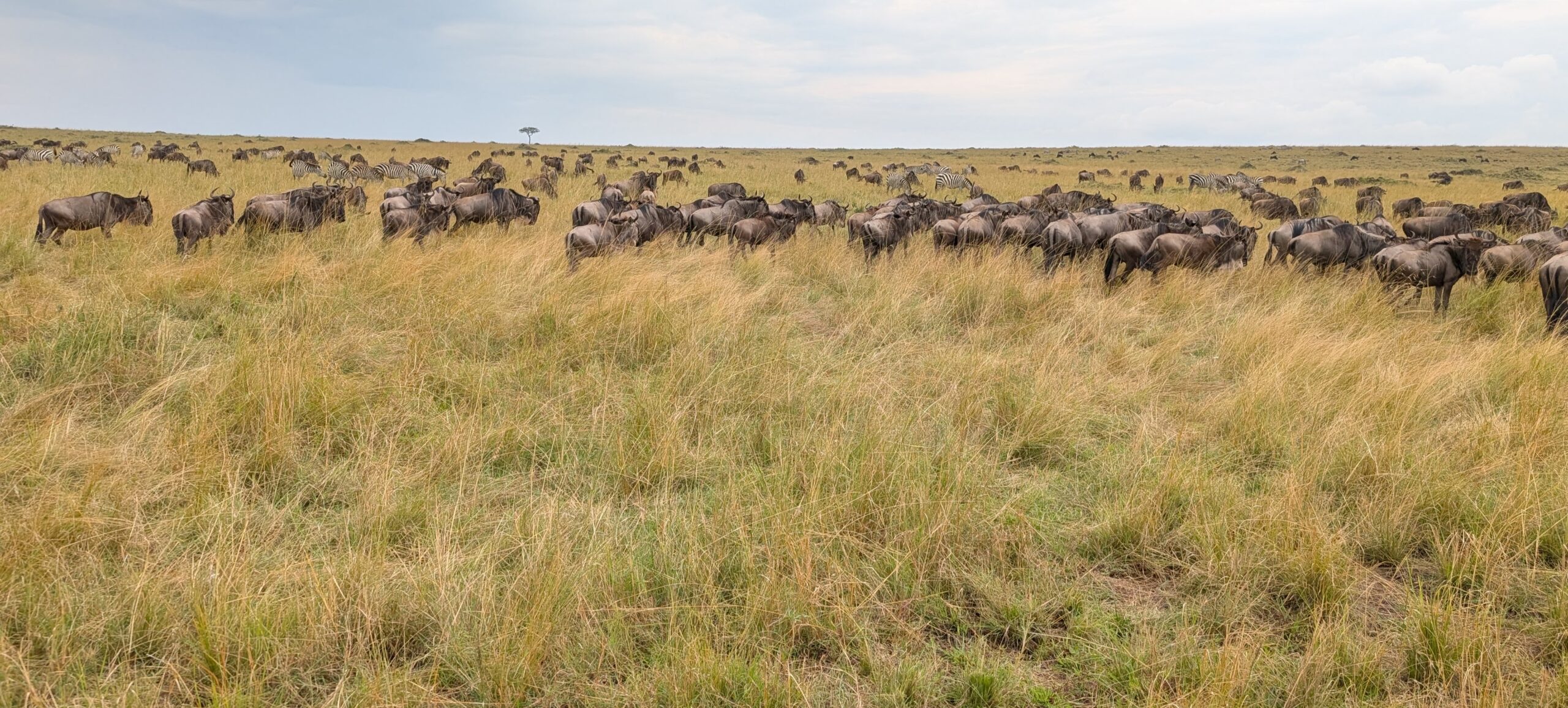
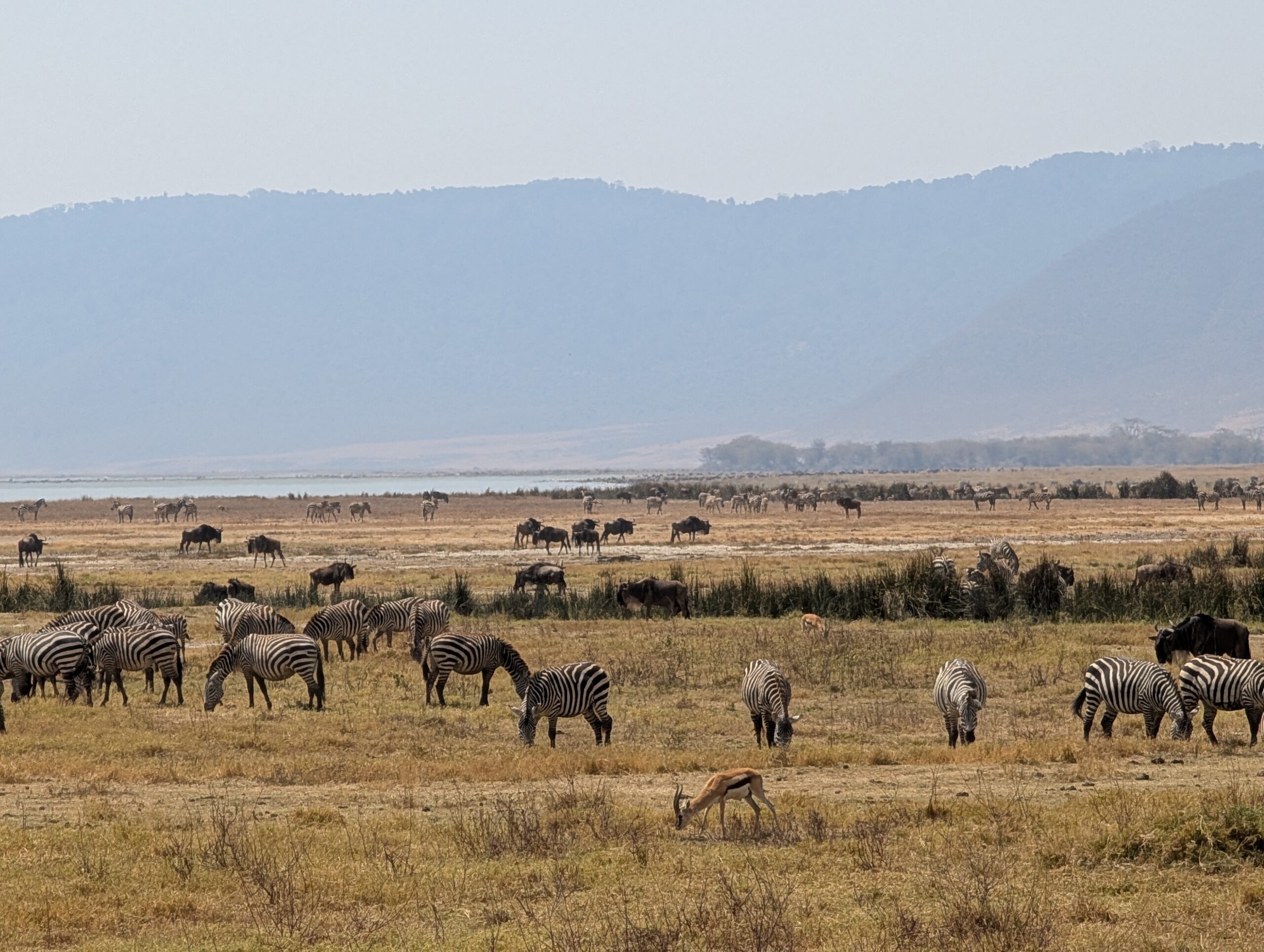
And speaking of animals, here are some that we saw. First, the non-predators (including, of course, the requisite elephants and giraffes):
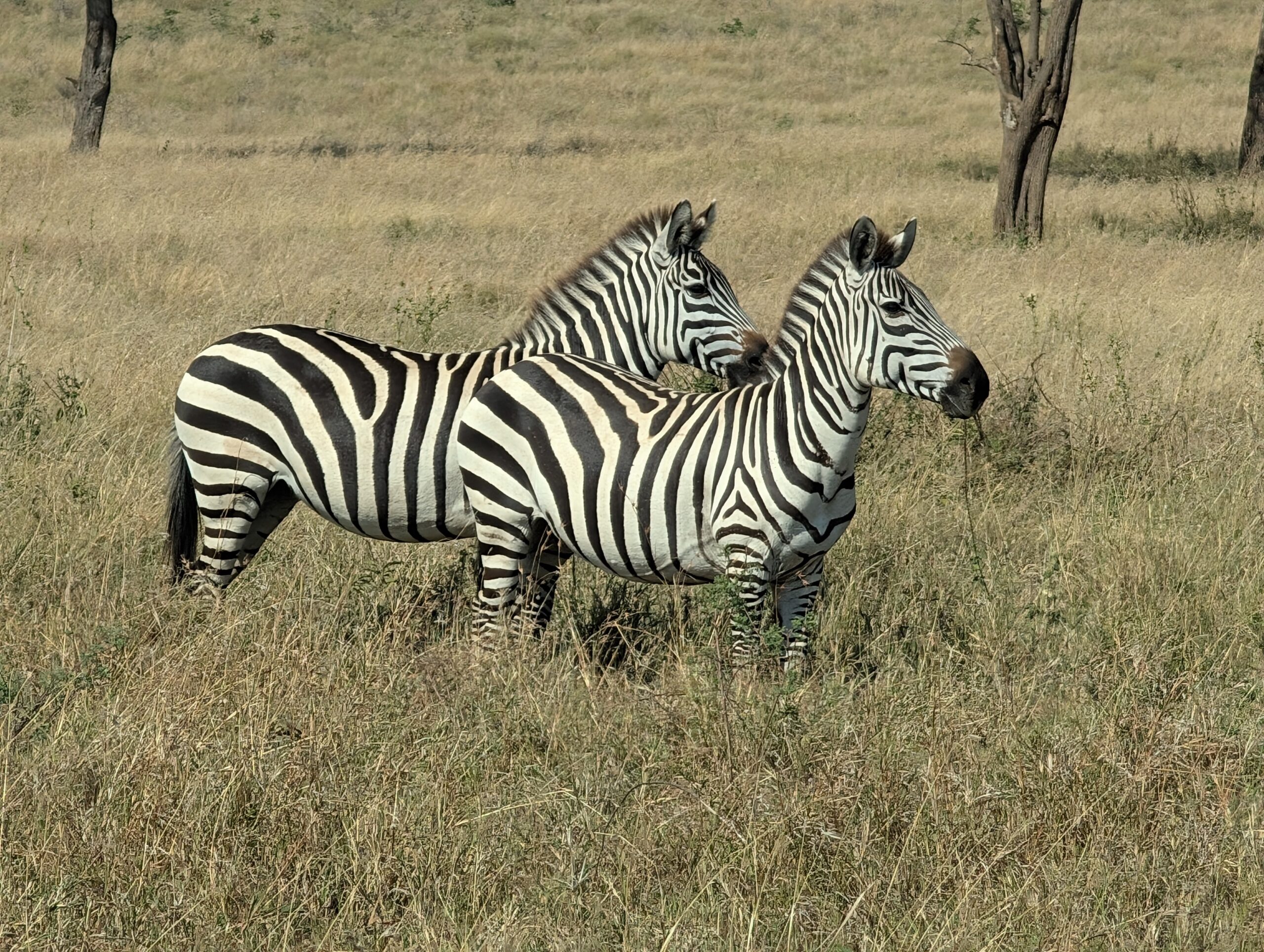
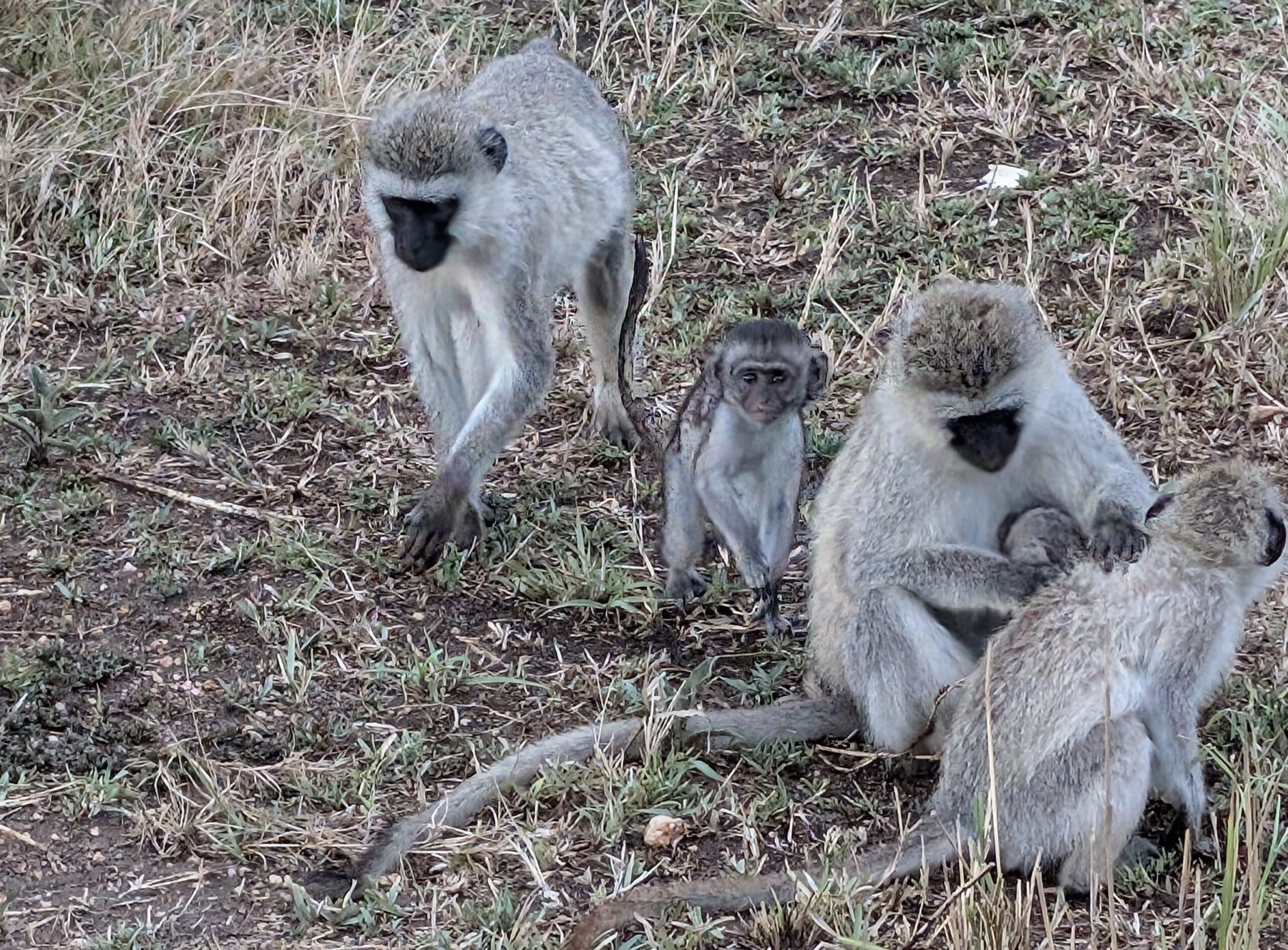
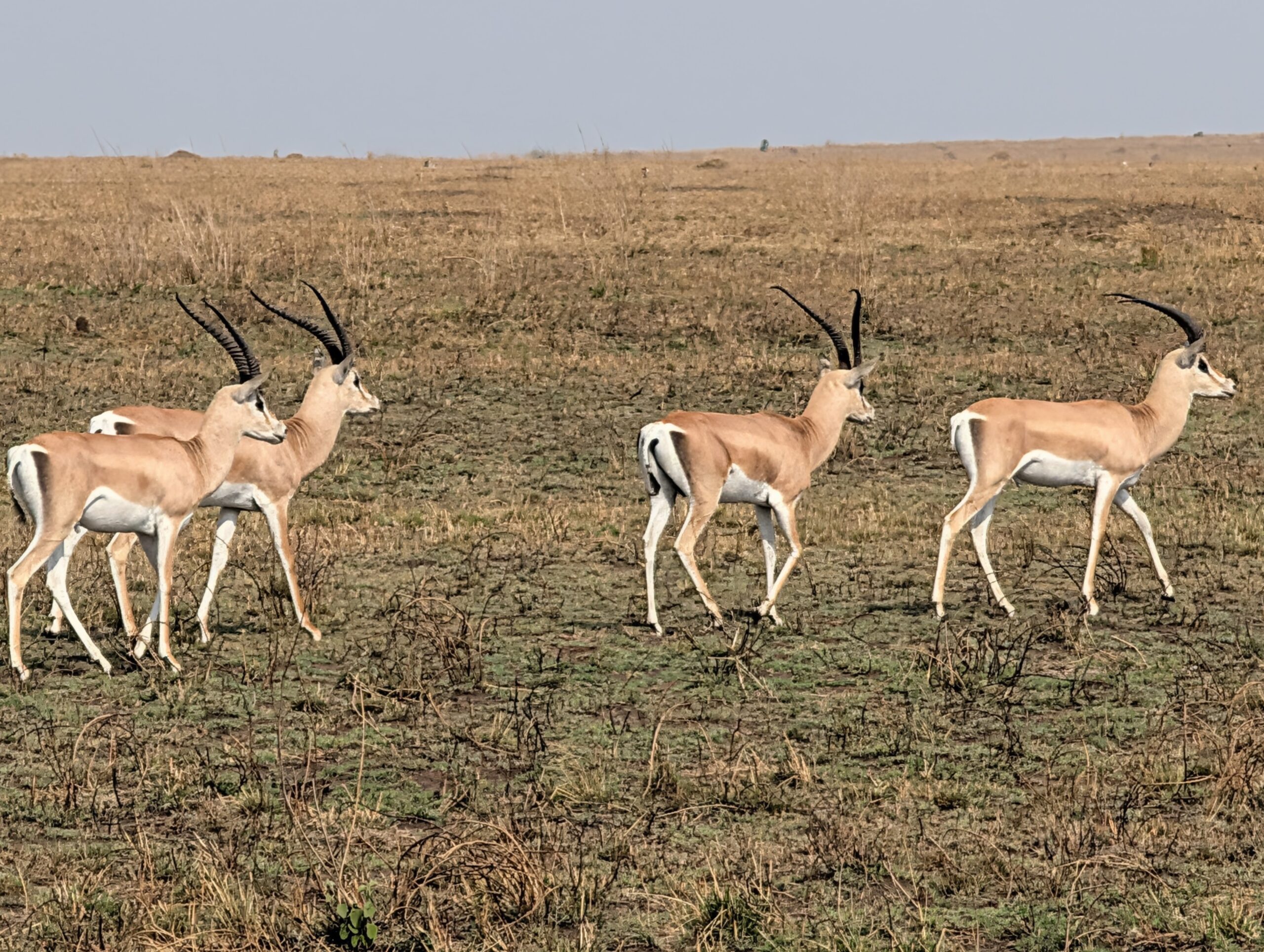
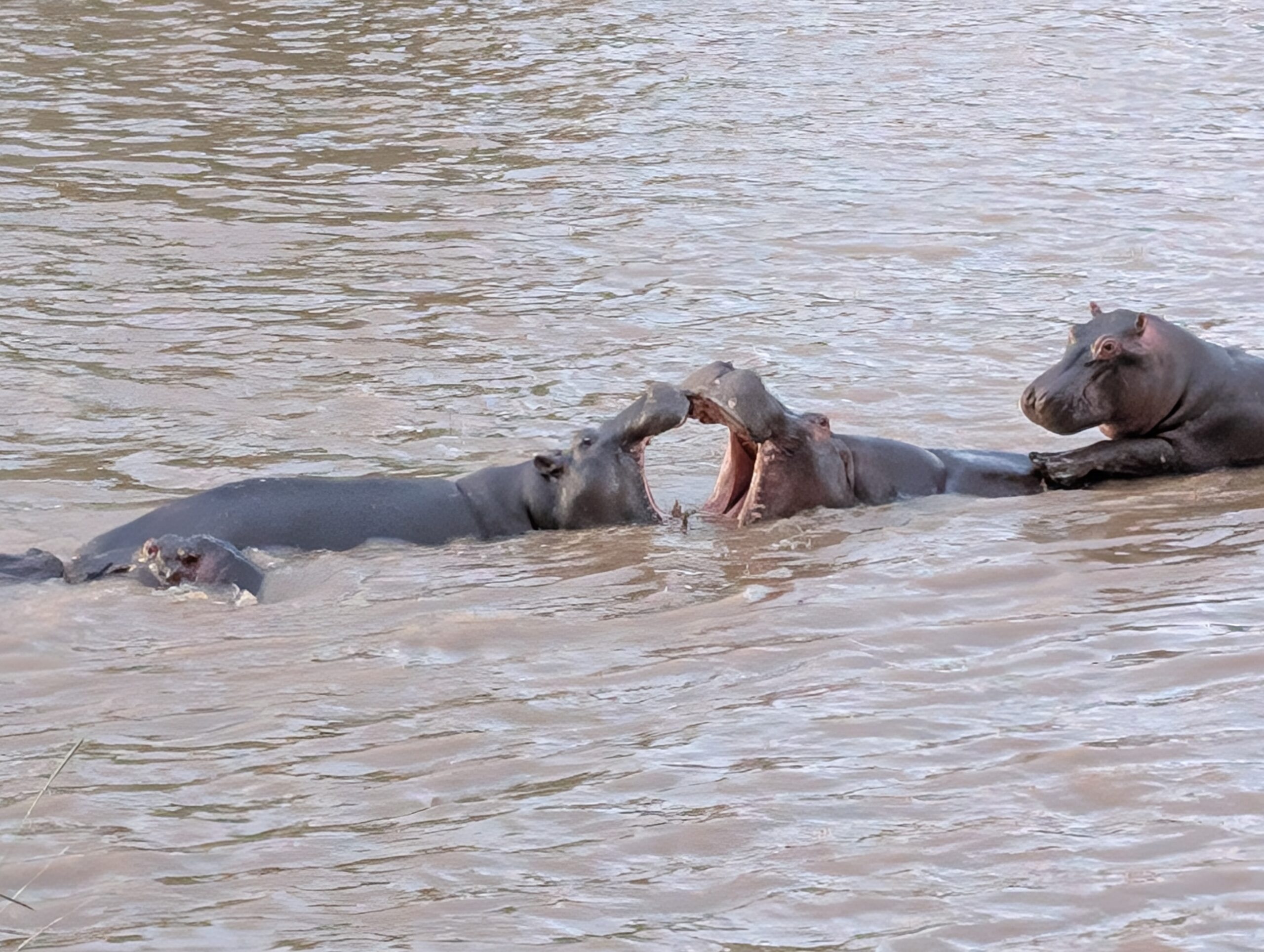
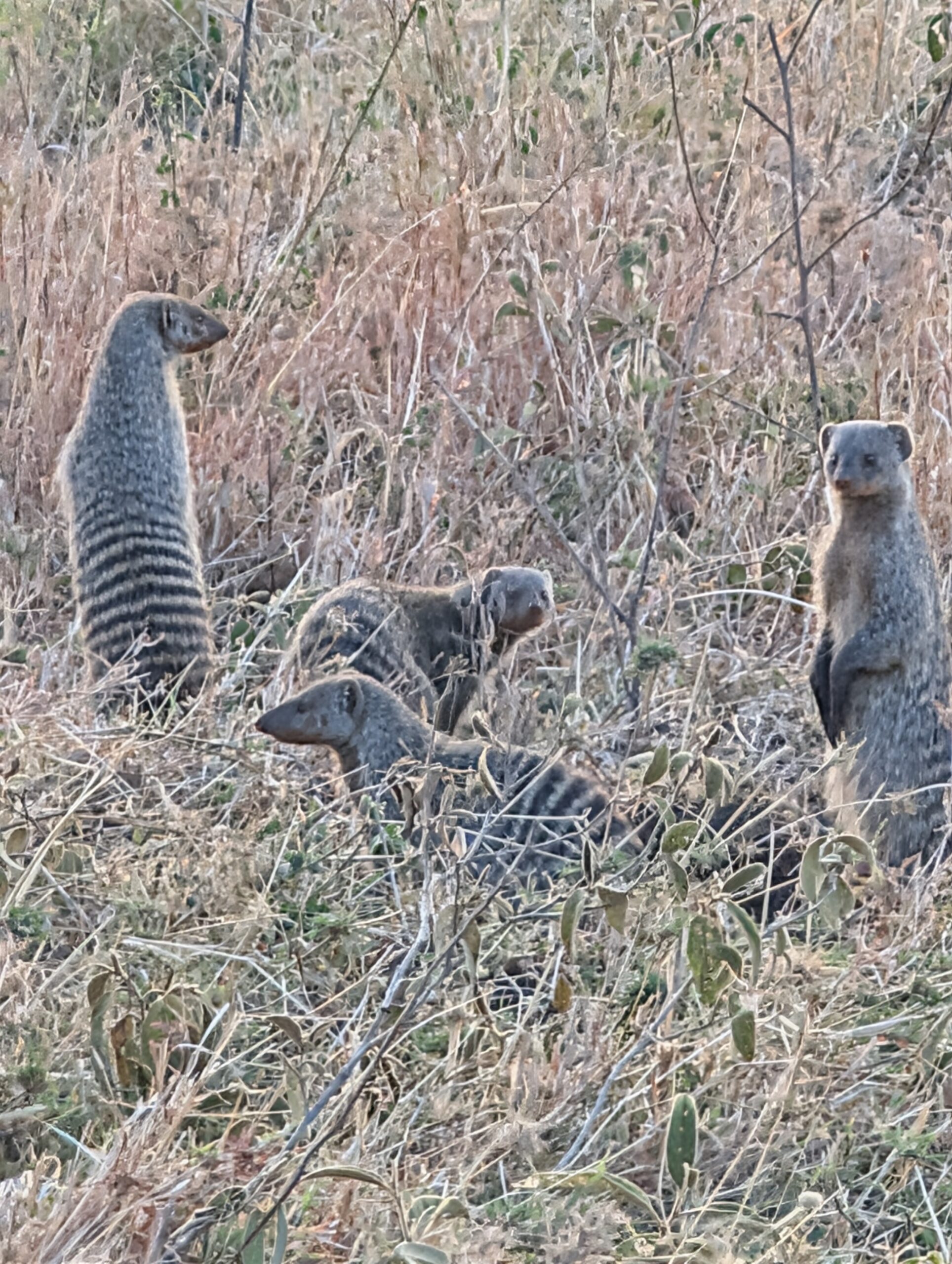
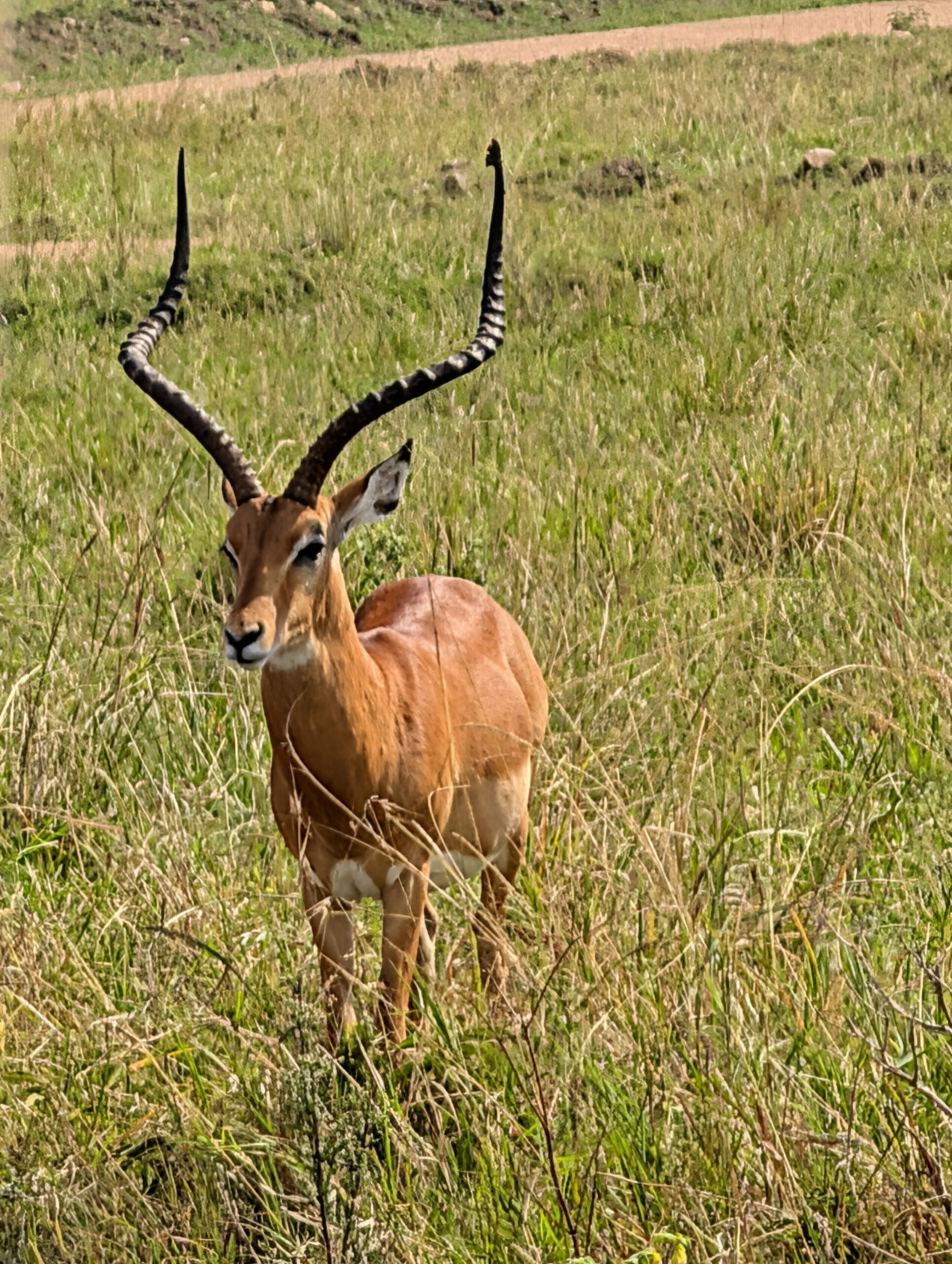
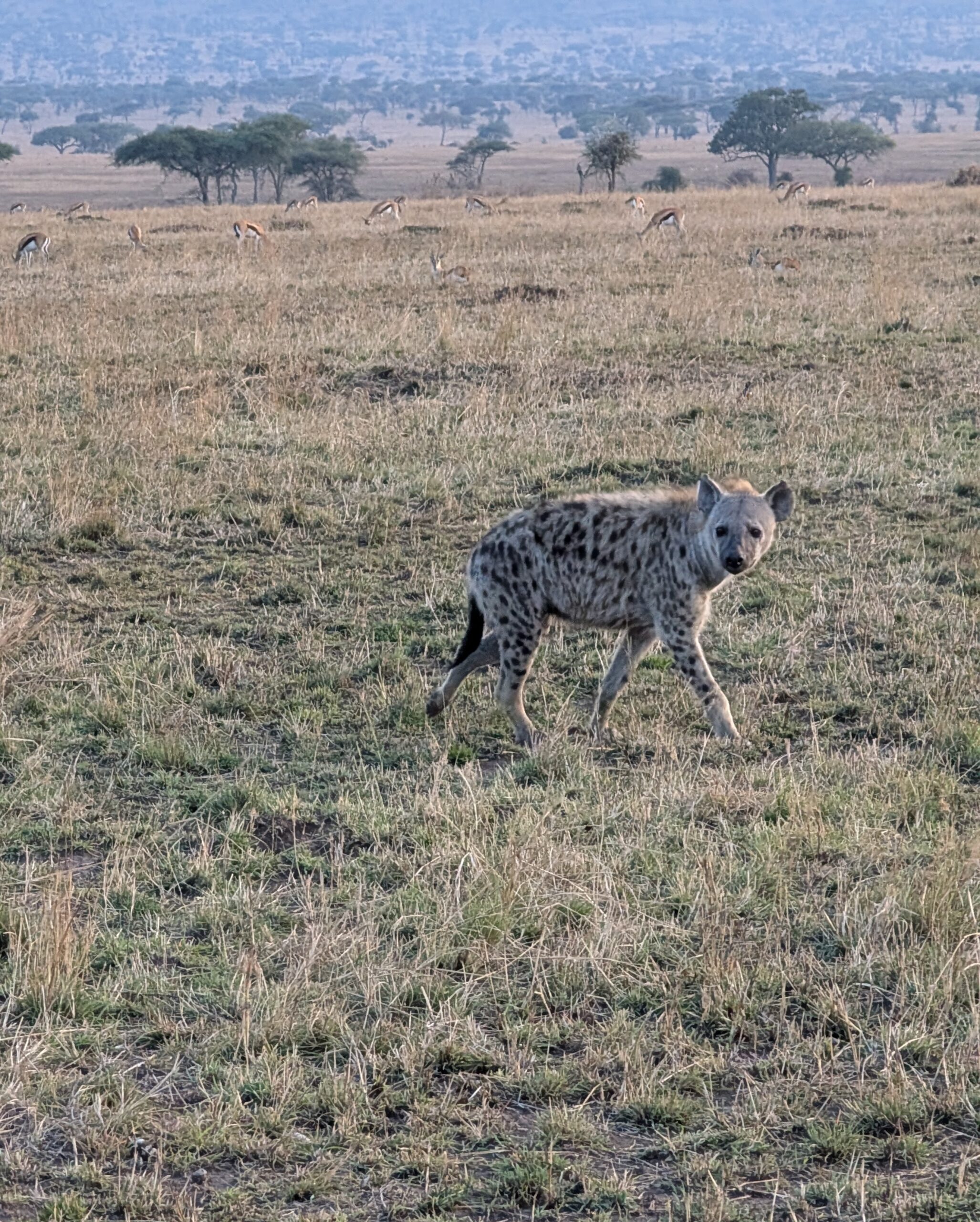
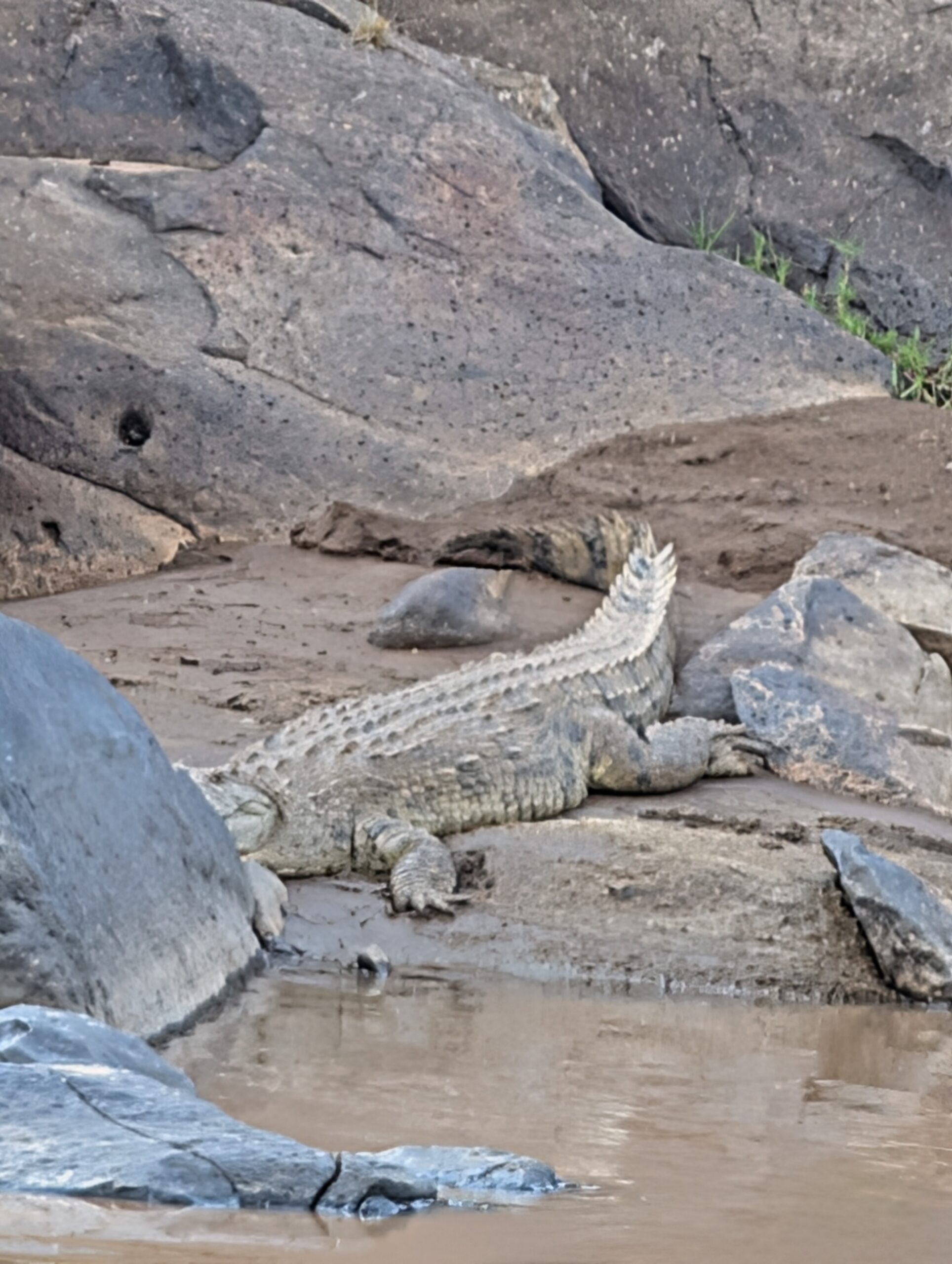
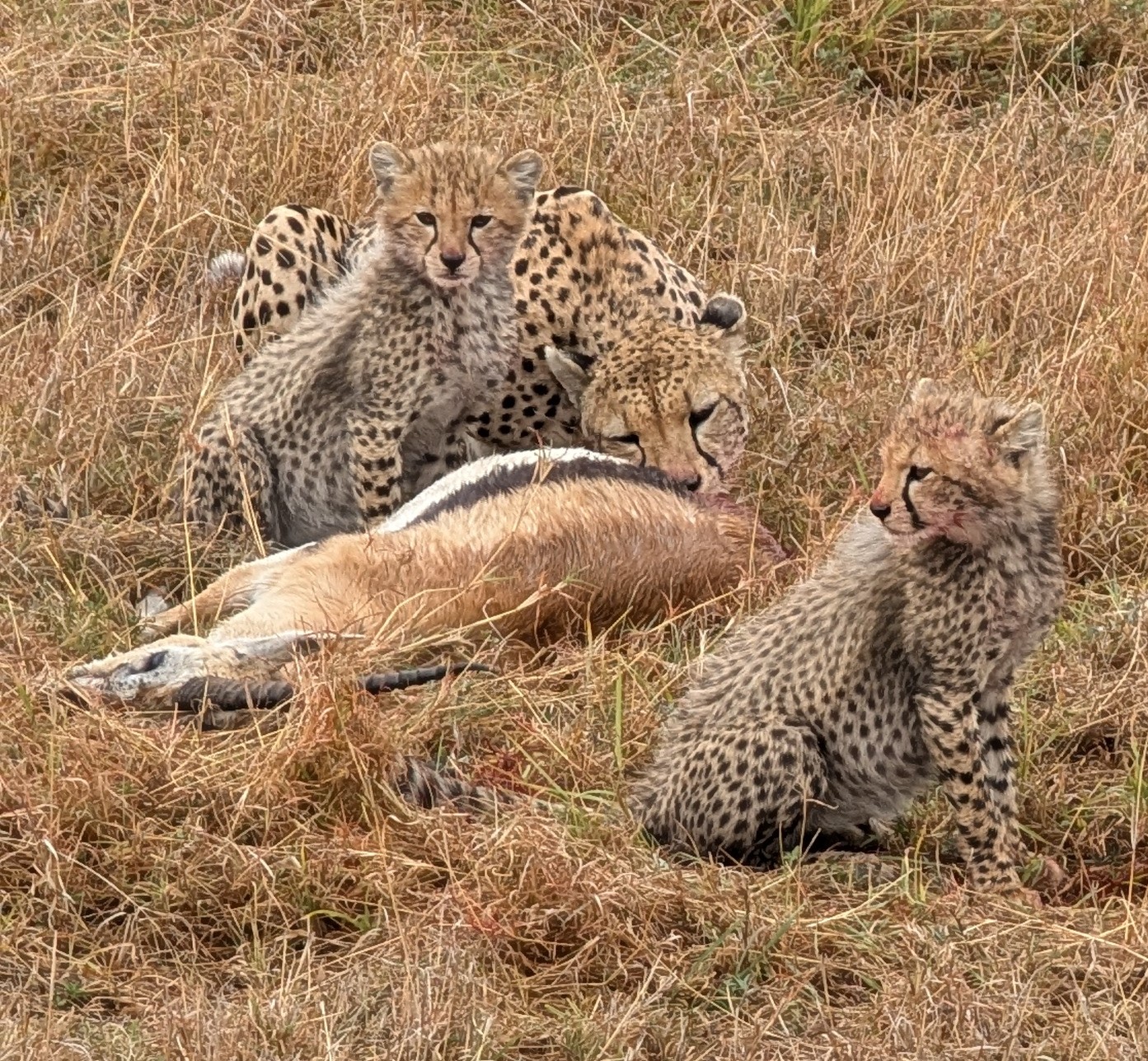
. . . and, of course the predators:
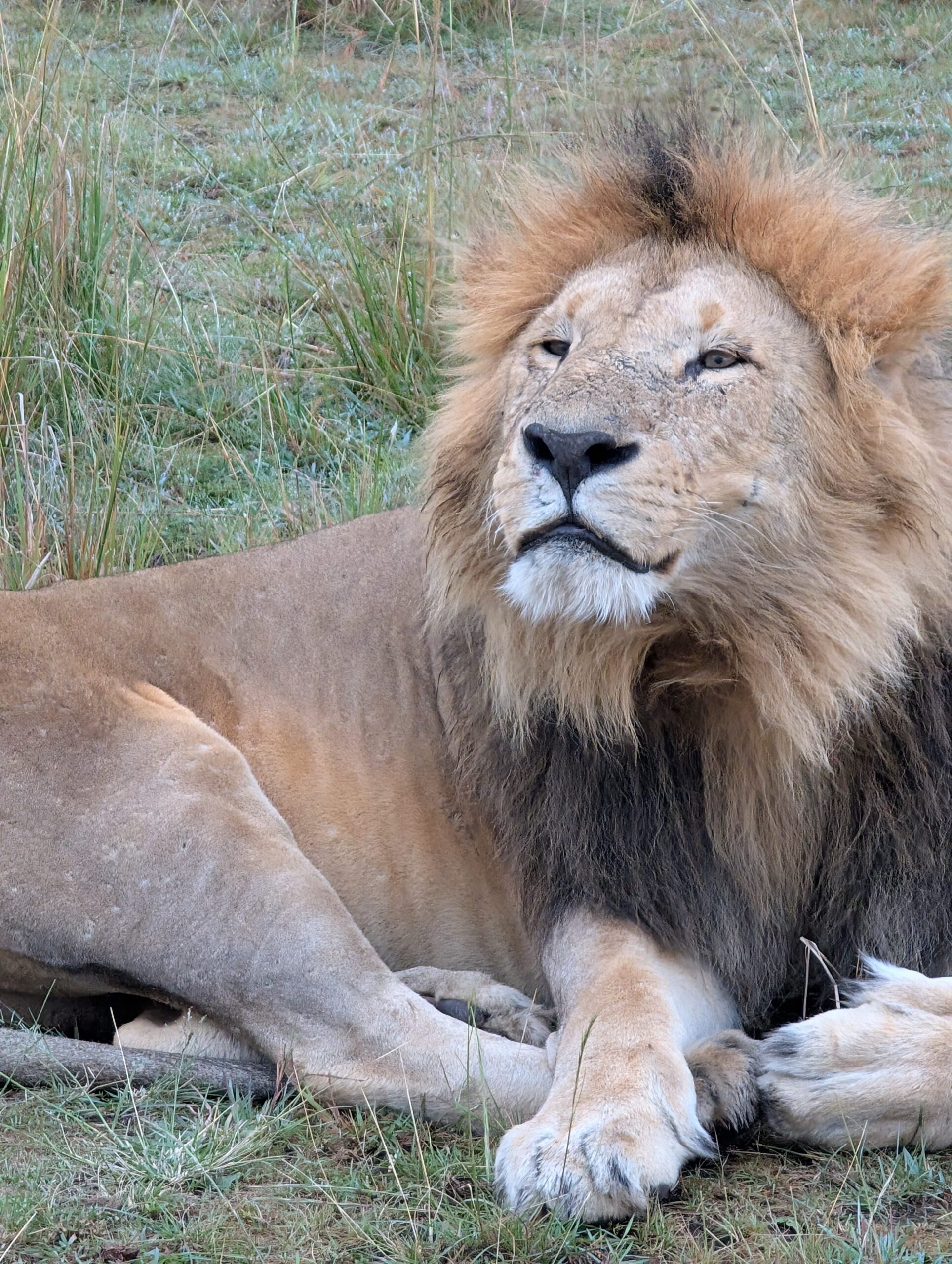
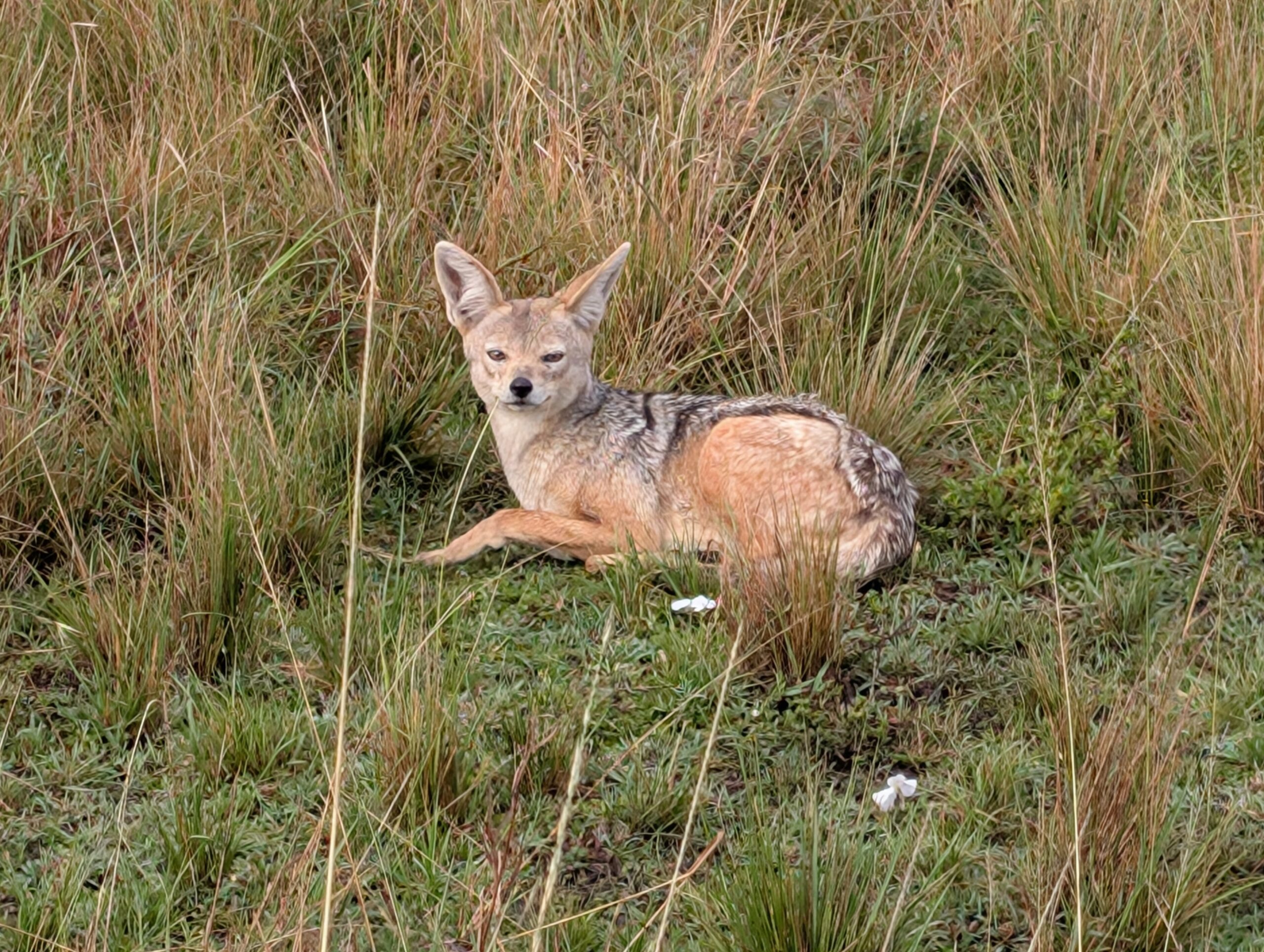
When people speak (or write) about safaris, there’s one part of the trip you don’t hear much about: the people. And yet, for me, as thrilling as it was to see the animals up close and in their native habitat, the people were, in many ways, the most interesting aspect of the trip.
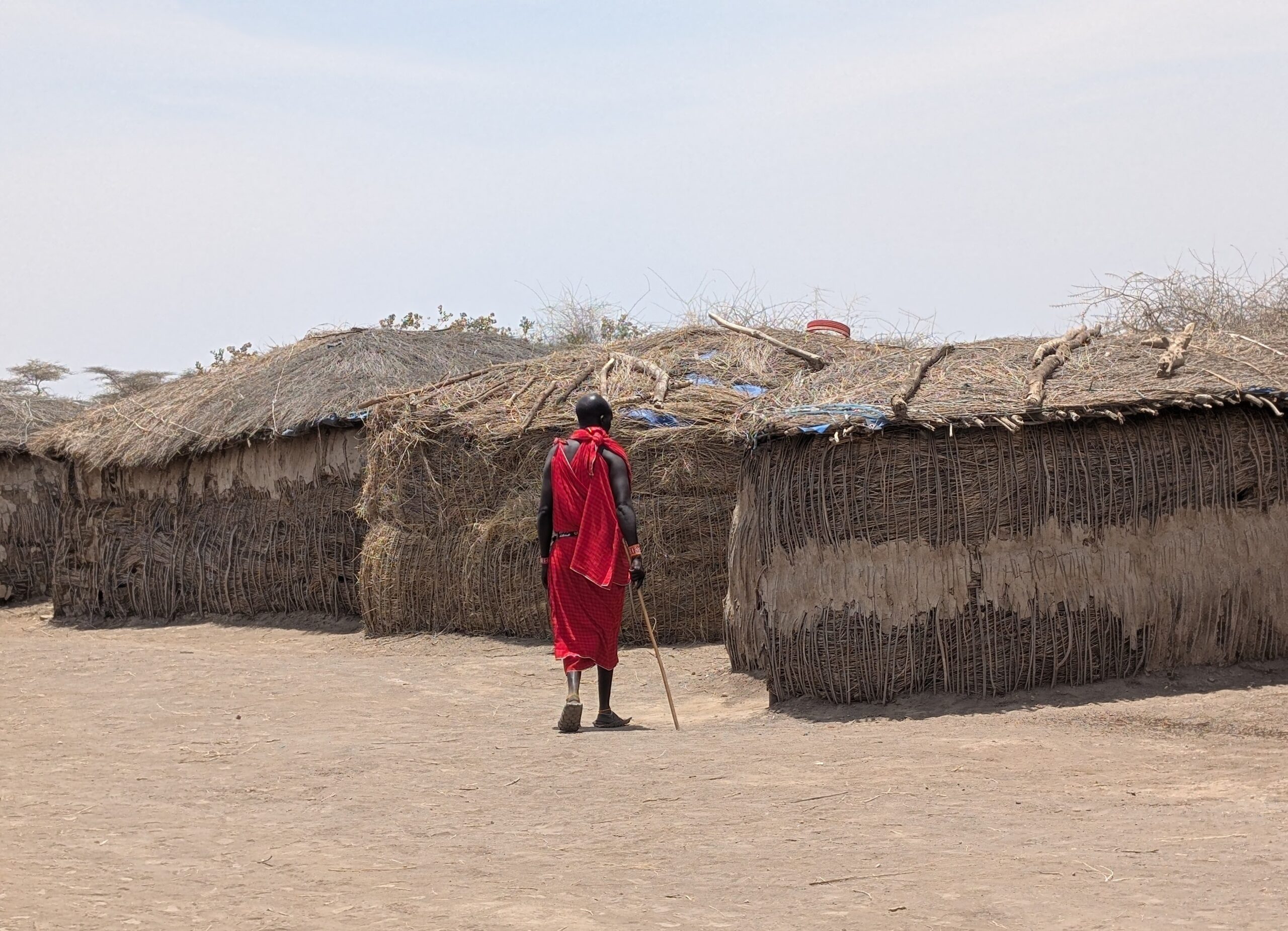
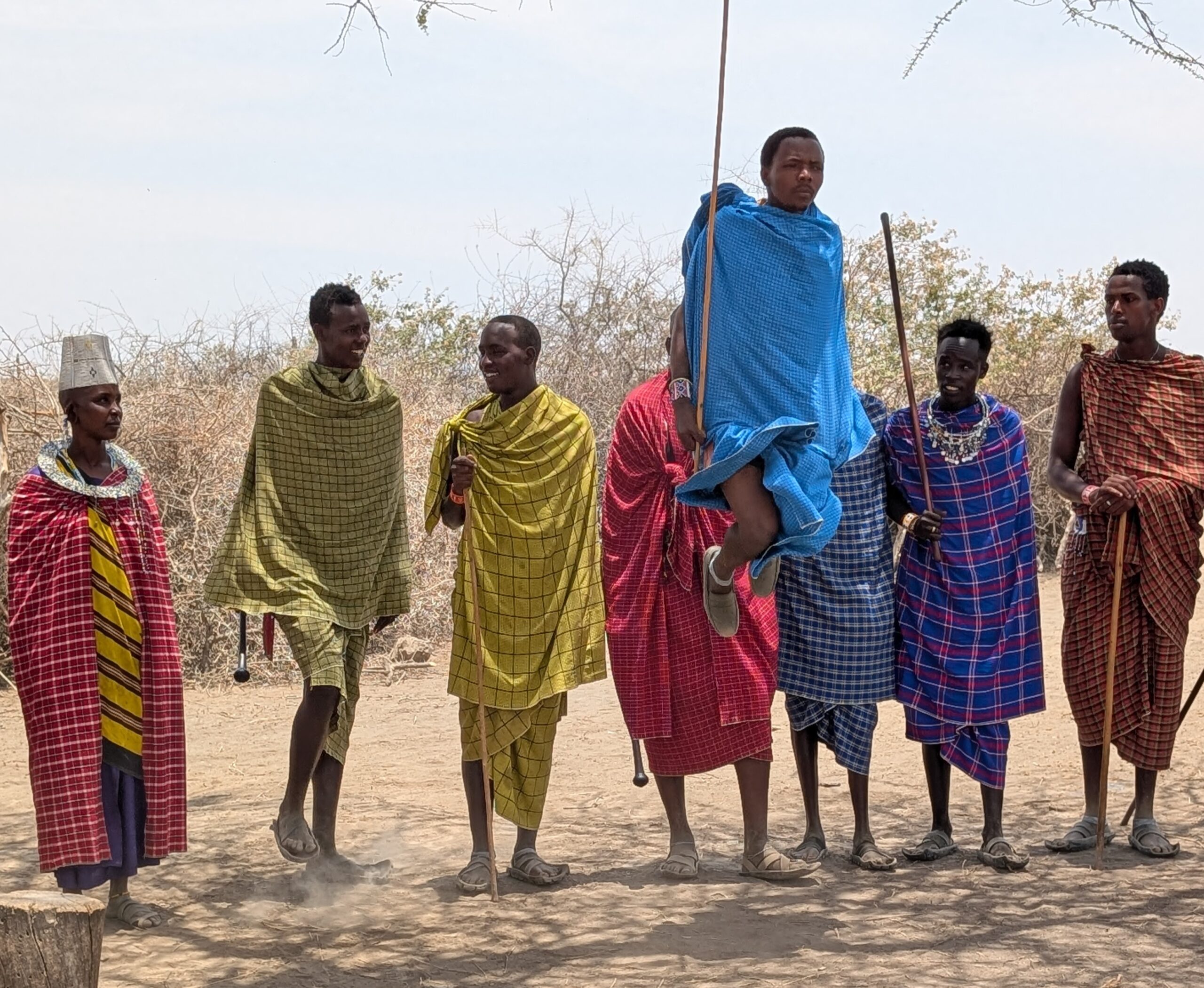
The Ma’asai are the only tribe allowed to live within the national parks of Tanzania and Kenya because they are the only ones whose lifestyle does not upset the natural balance of the animals in the wild. They are not hunters, nor gatherers, nor farmers. Rather, they herd their own cattle, living peacefully side-by-side with the wild animals. We were lucky enough to visit a Ma’asai village, to observe a dance in which the men prove their manhood by jumping impressively high, and to visit a small elementary school in the village.
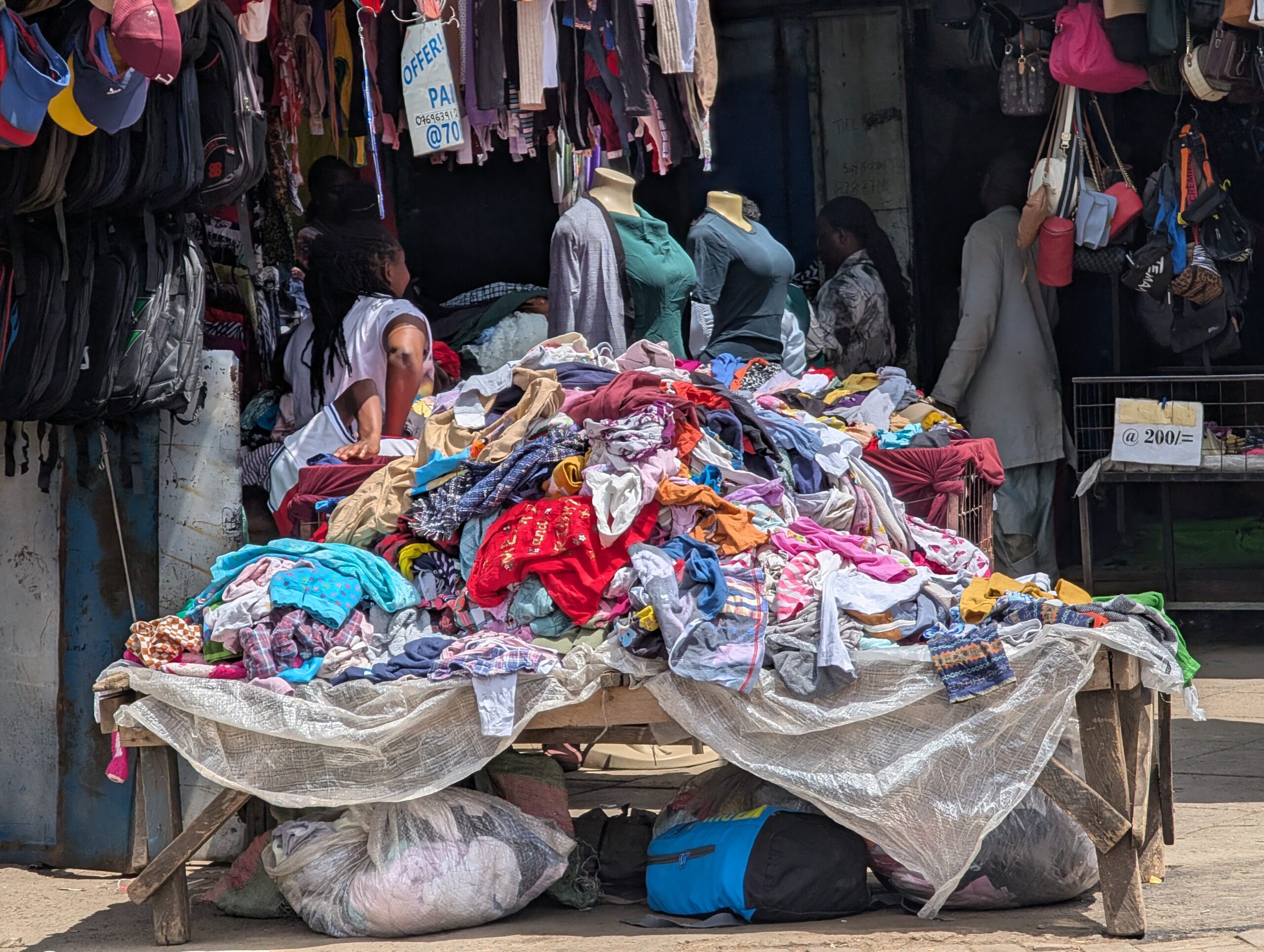
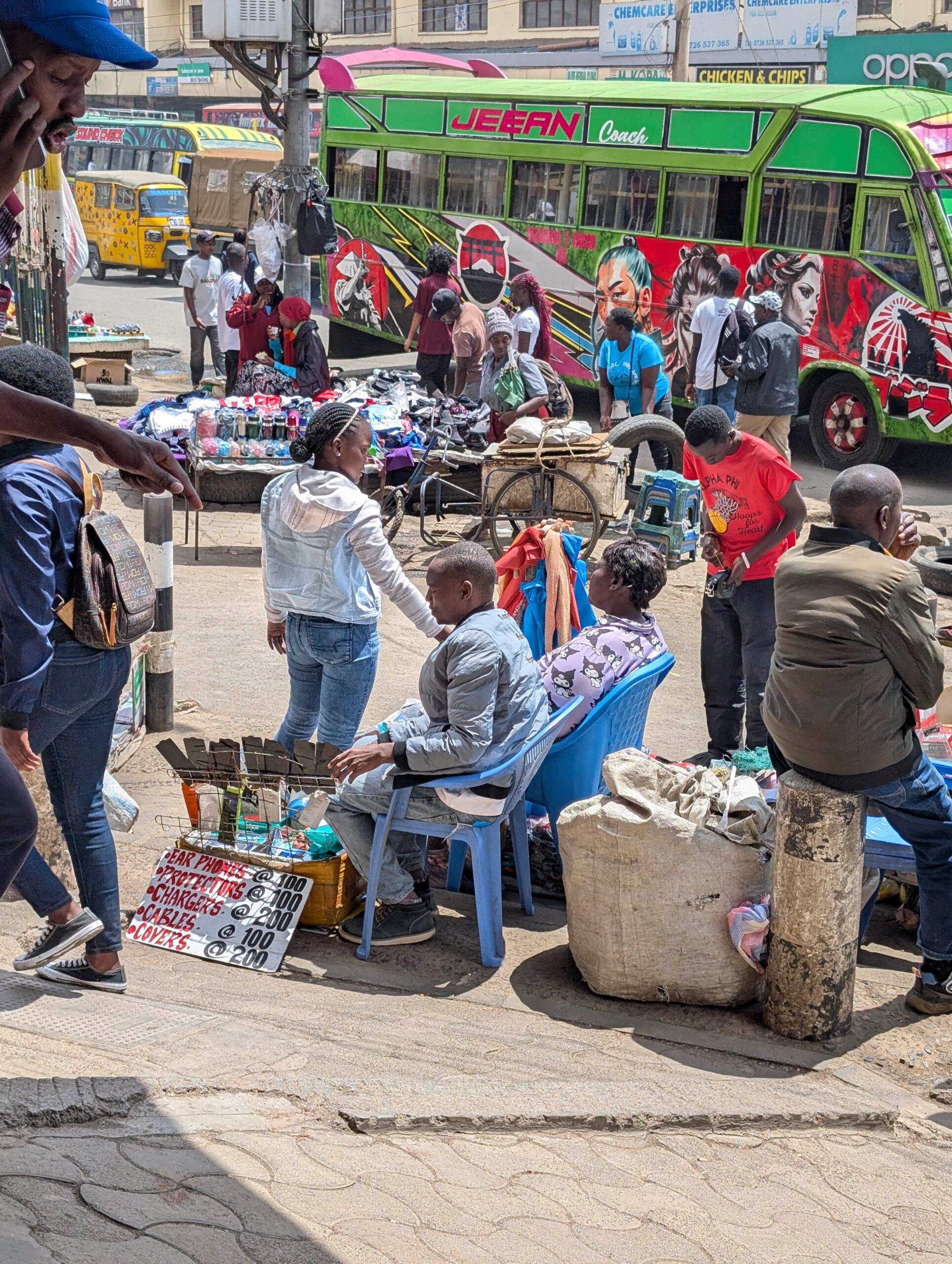
We also took an eye-opening walk in downtown central Nairobi, which was at once colorful and full of life, and also distressingly poor.
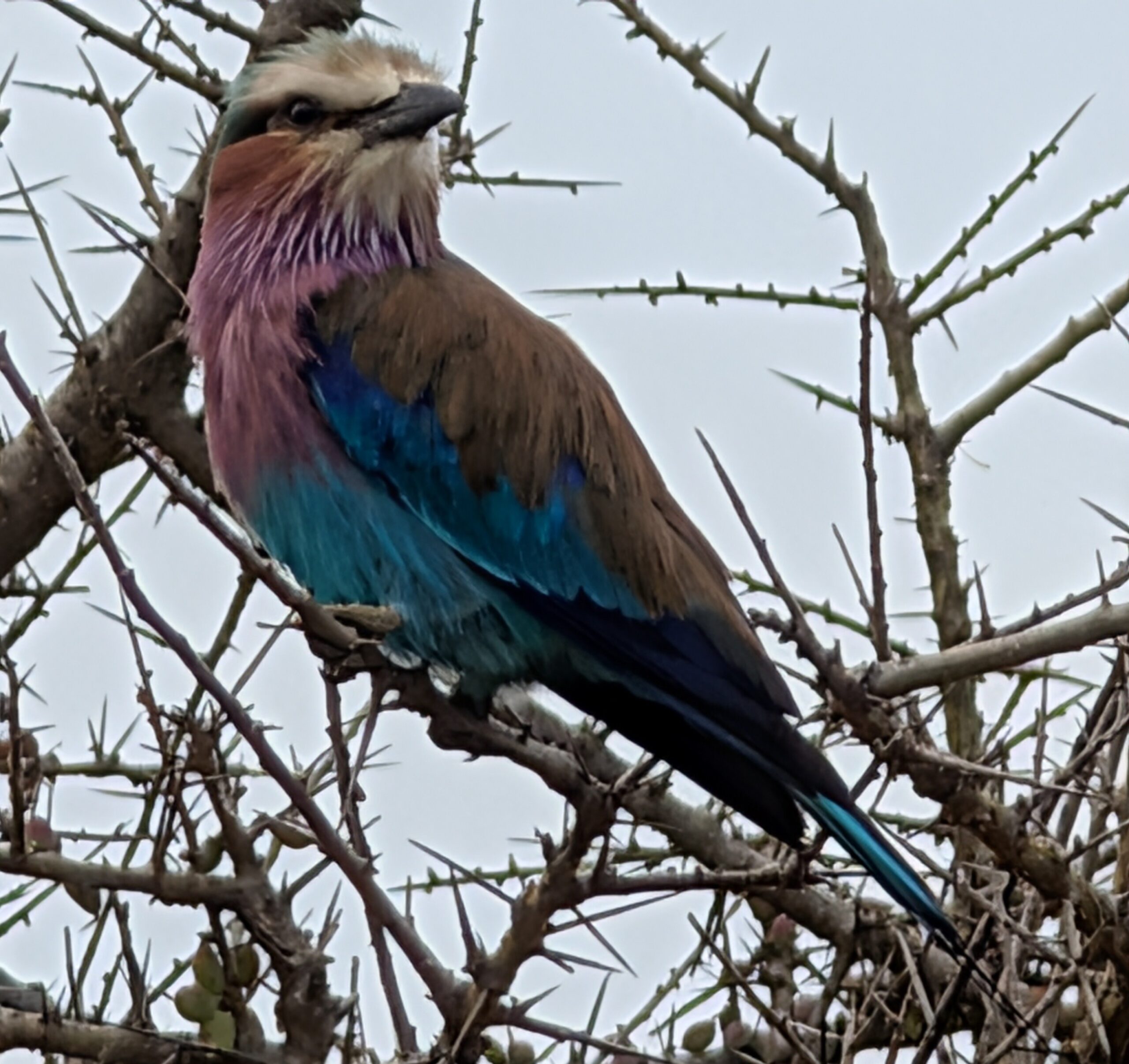
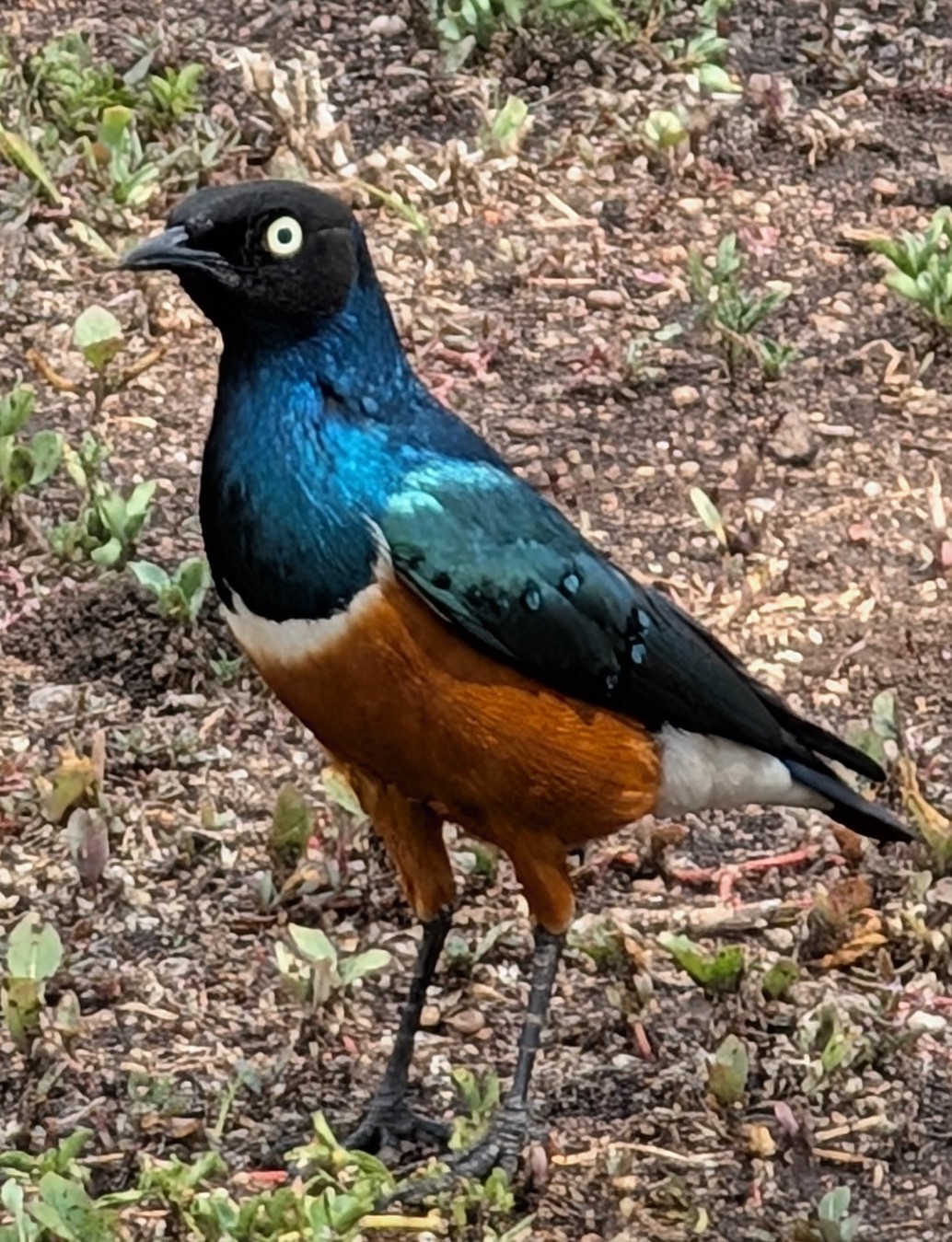
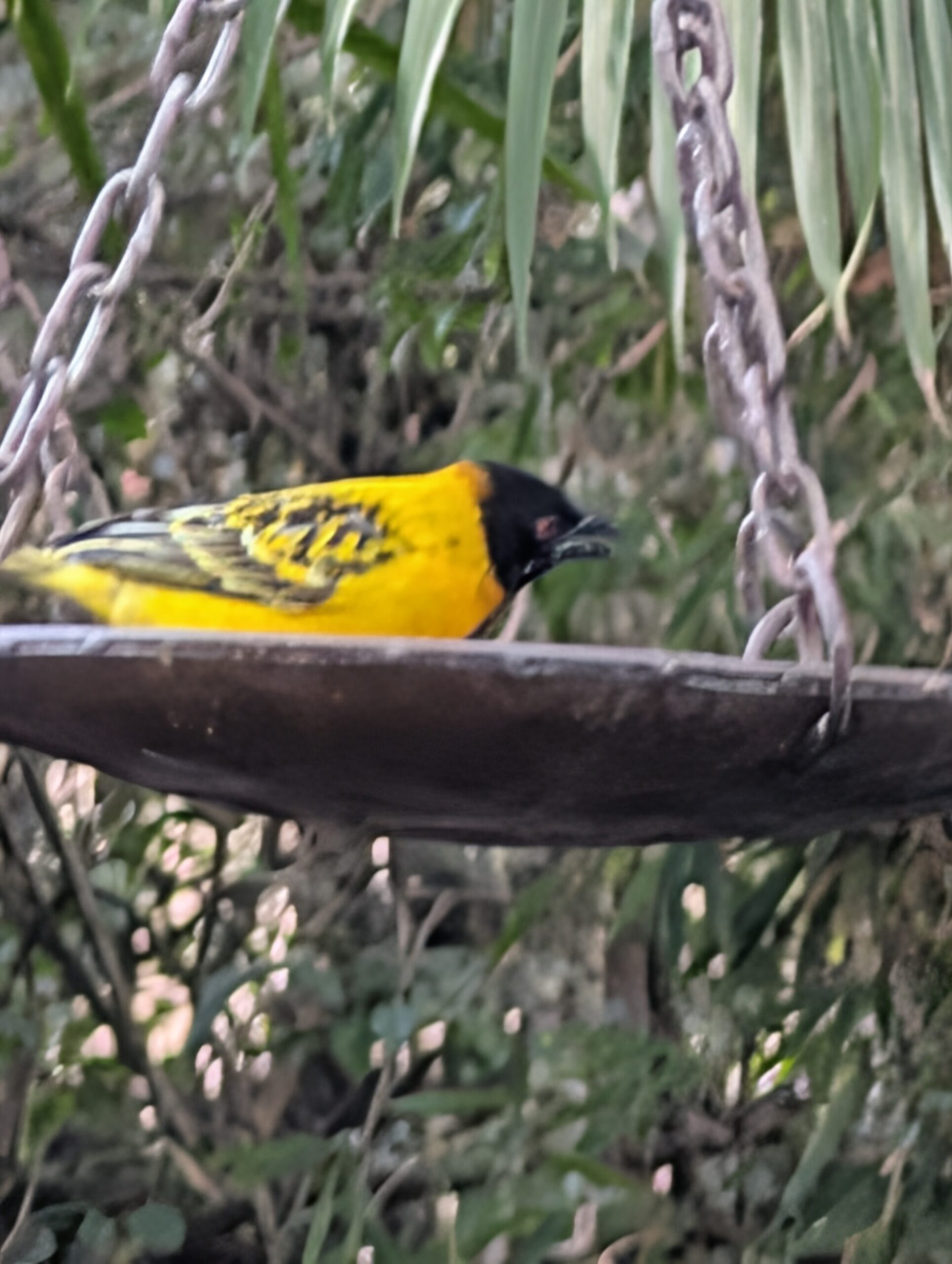
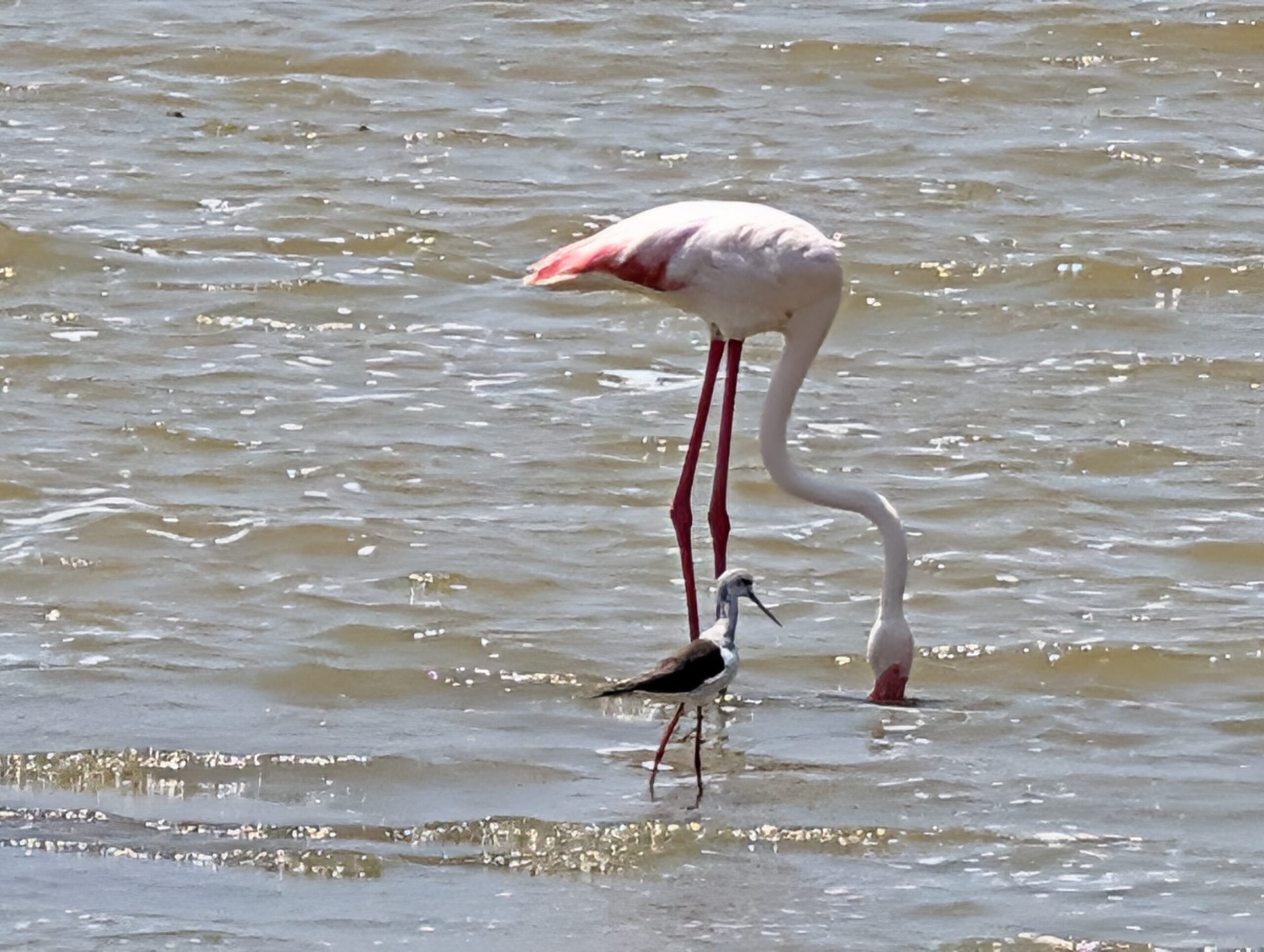
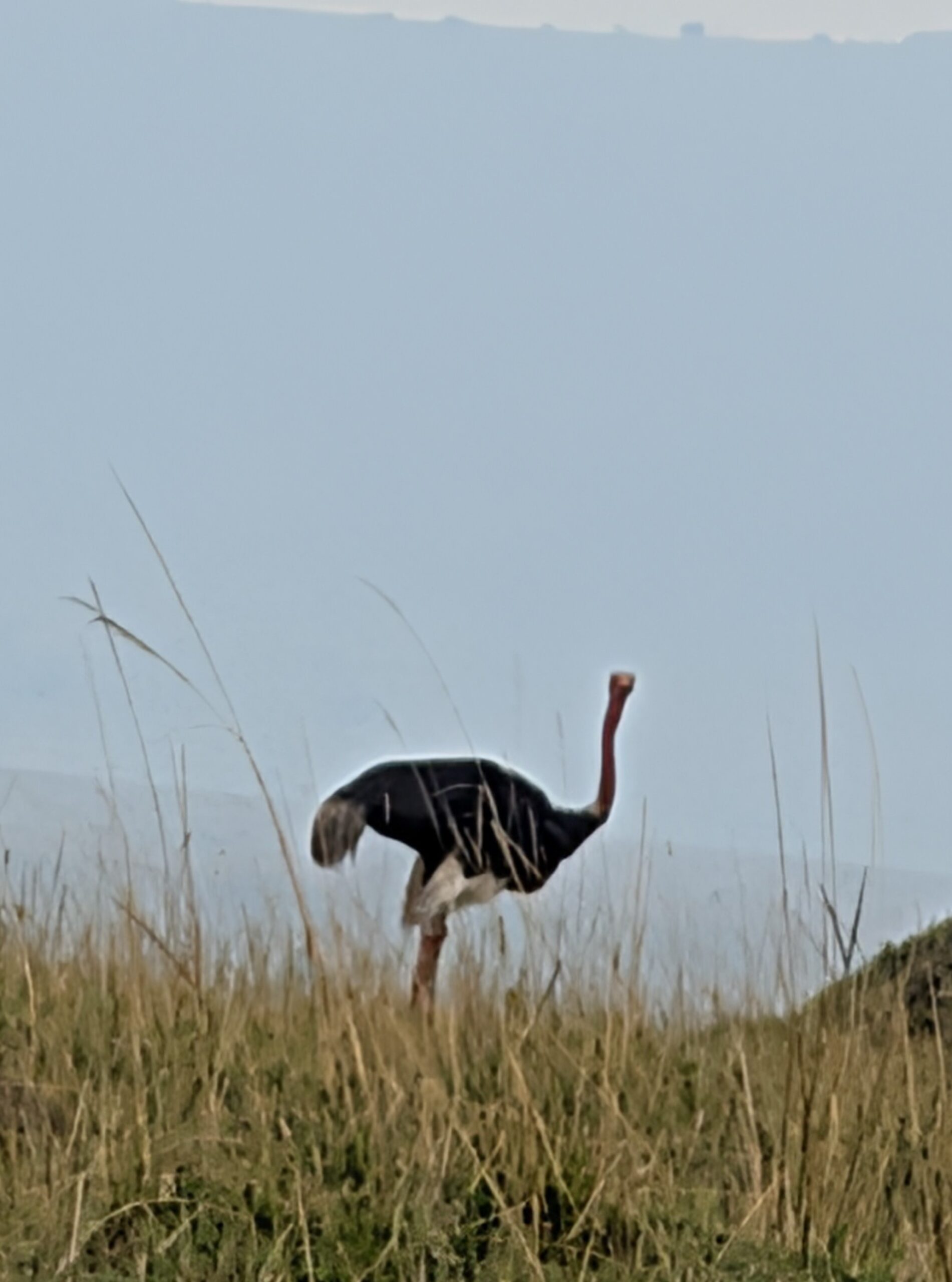
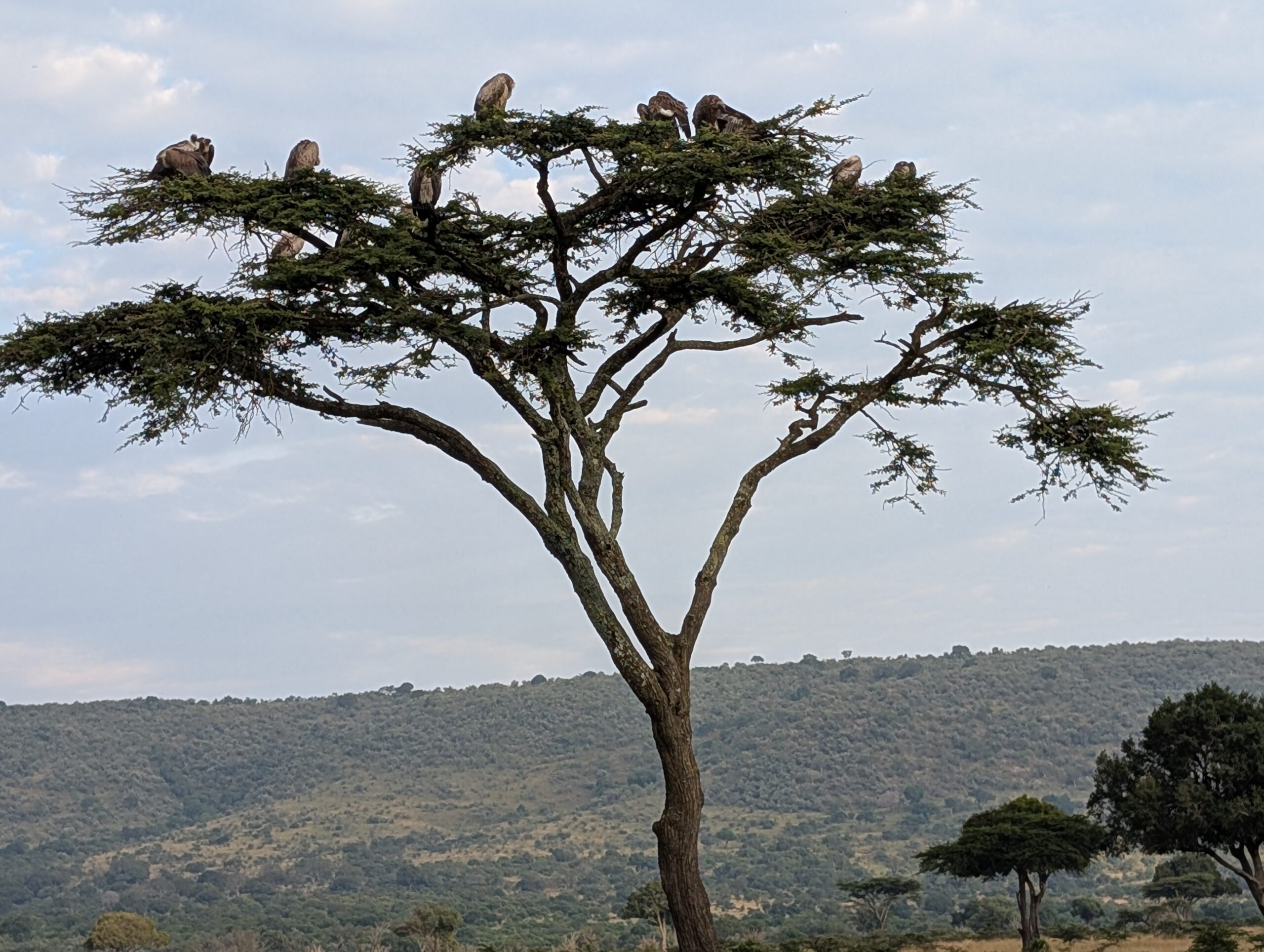
One of the more surprising things about this safari was that the birds–even the ordinary ones–were quite beautiful.