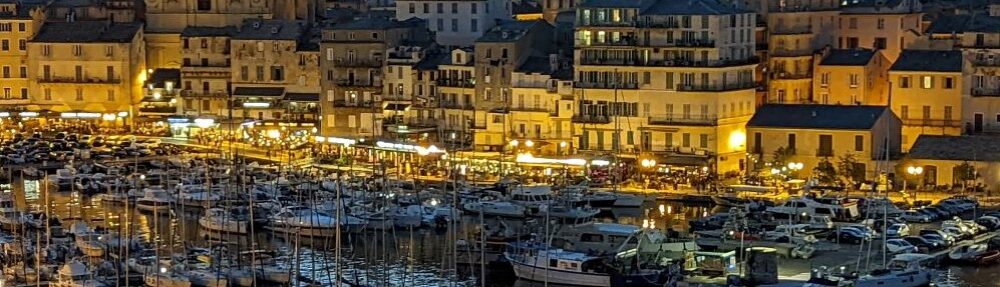
Safari! – or – Better late than never!

My husband and I went on a safari last fall, and I took, oh, probably a zillion pictures. Maybe more. It turns out to be relatively easy to back up a zillion pictures by date, but really hard to try to make a story out of them.

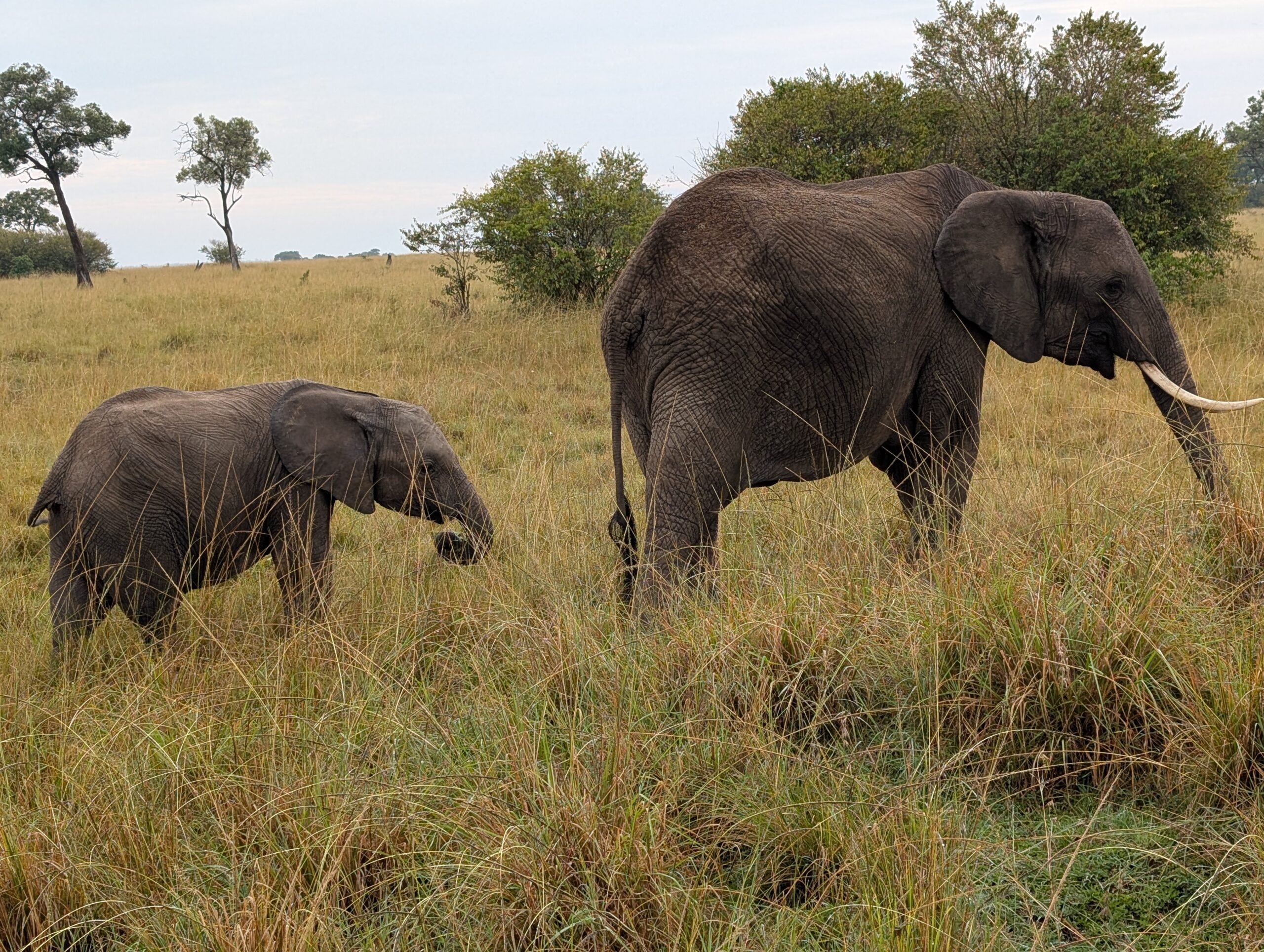
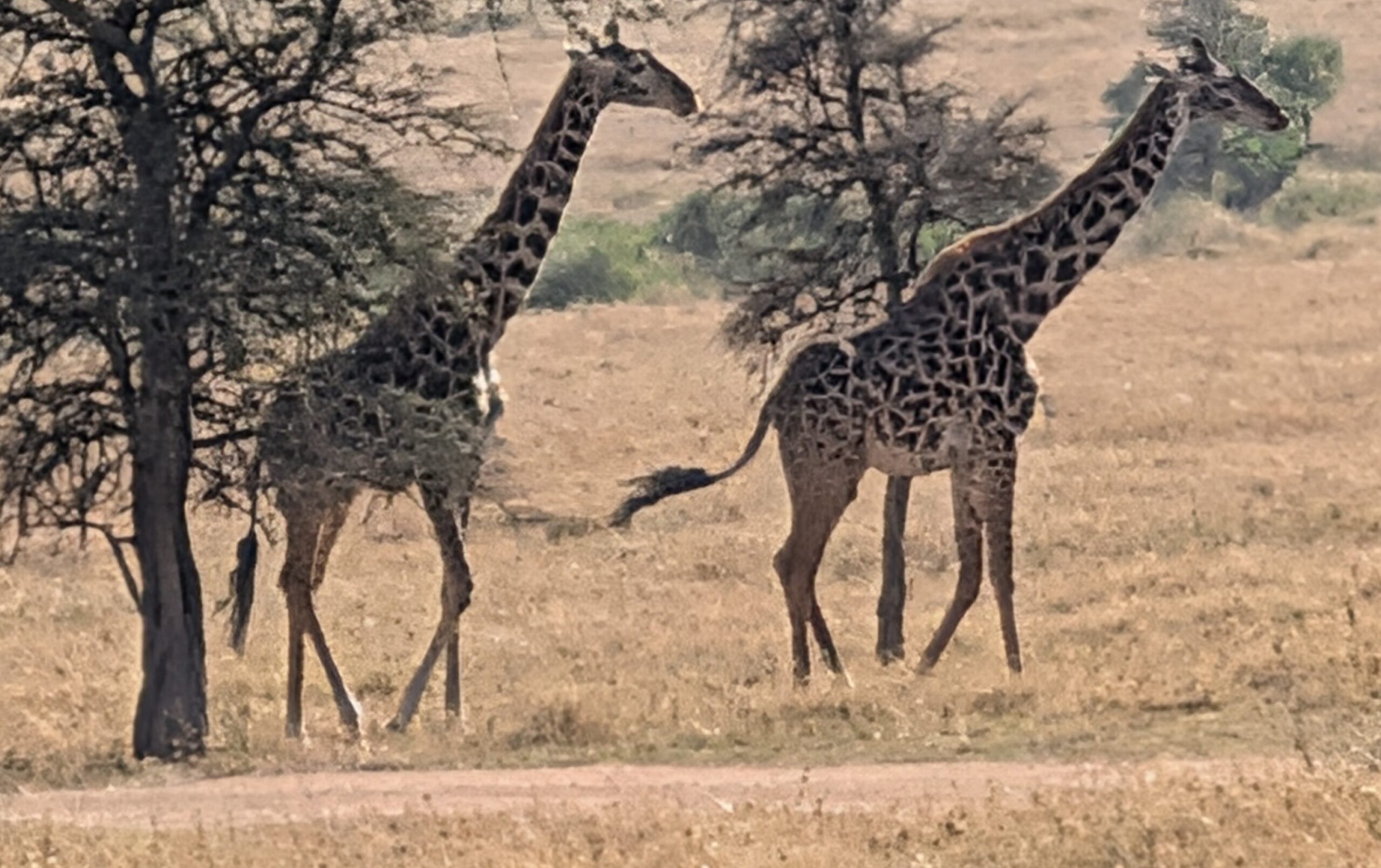
Elephants! Elephants! Elephants! Every day, elephants. Hundreds of pictures of elephants, but in this safari story, I need only . . . one. Same with giraffes and zebras and . . . So, anyway, that took time, but now I have a small album of maybe thirty or forty of the most varied and salient experiences. And I’ll share many of them here.

First, I have to explain that this safari was on my husband’s bucket list, not mine. Am I glad I went? Yes, absolutely! Would I go again if I had the chance? Well, no. I already have all the pictures of elephants I might possibly need. And yet, who can resist taking more?!

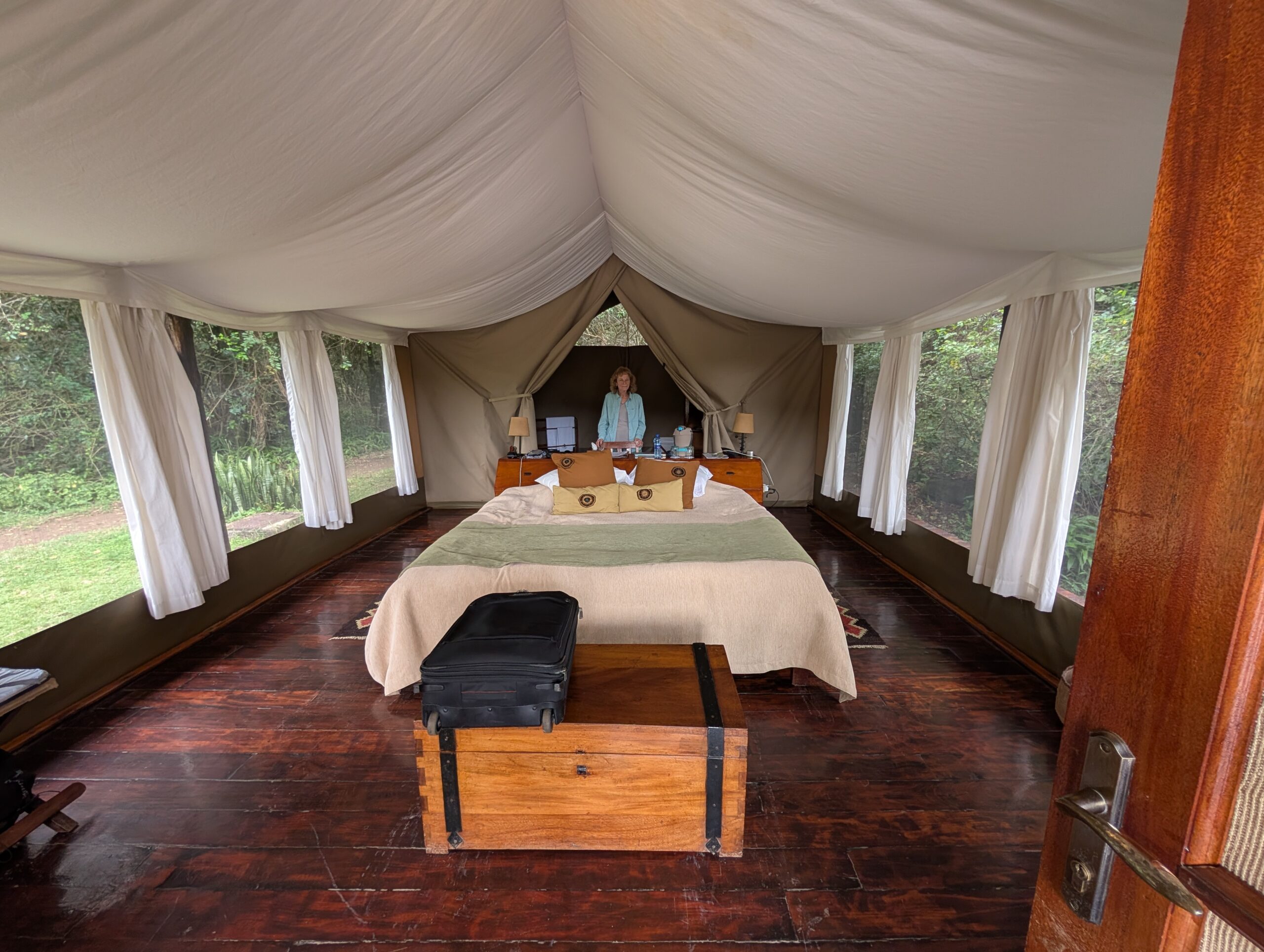
We did do this safari in as luxurious a way as we could. Our camping tents were more luxurious than some of the hotels we’ve stayed in.
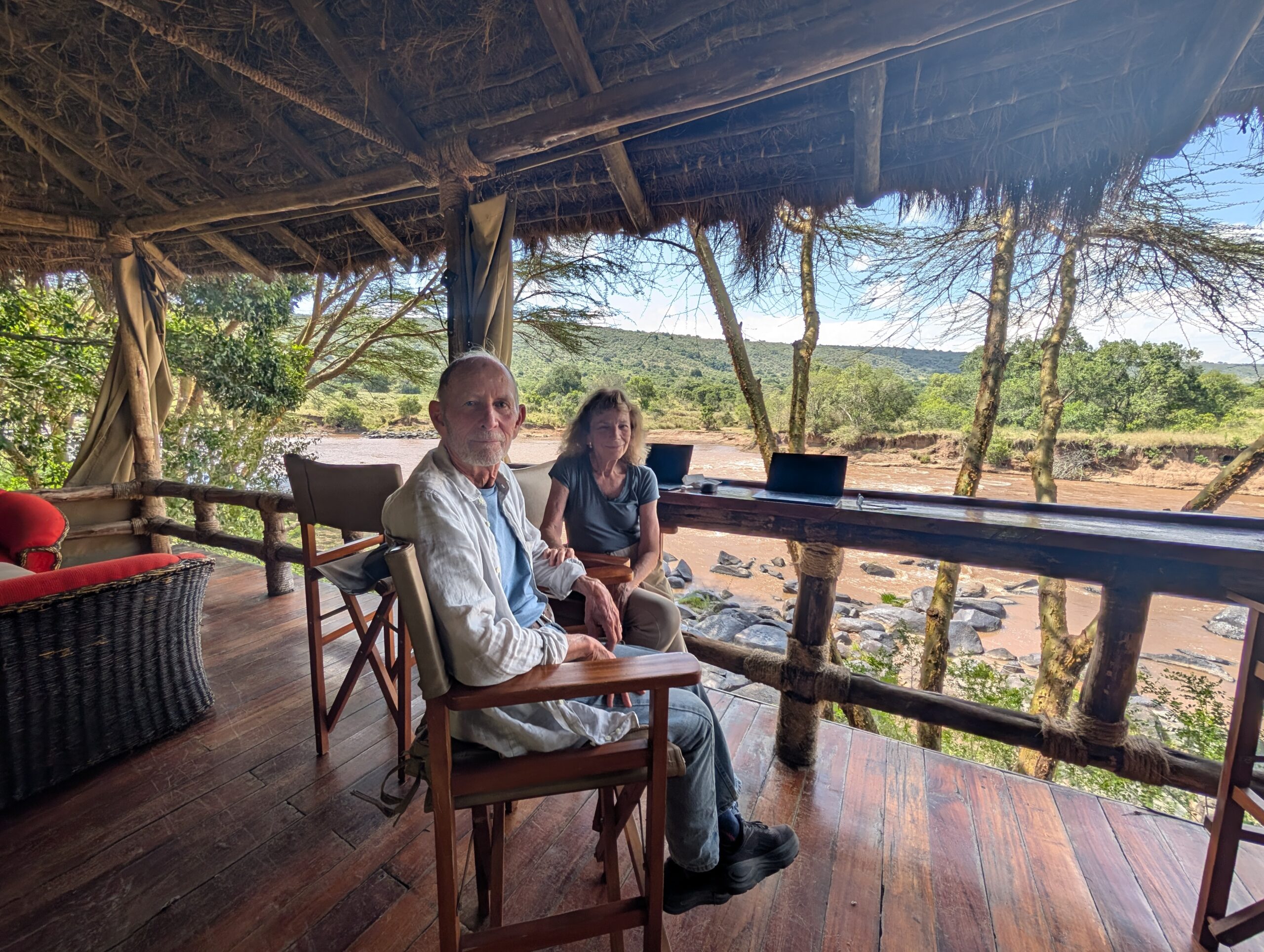
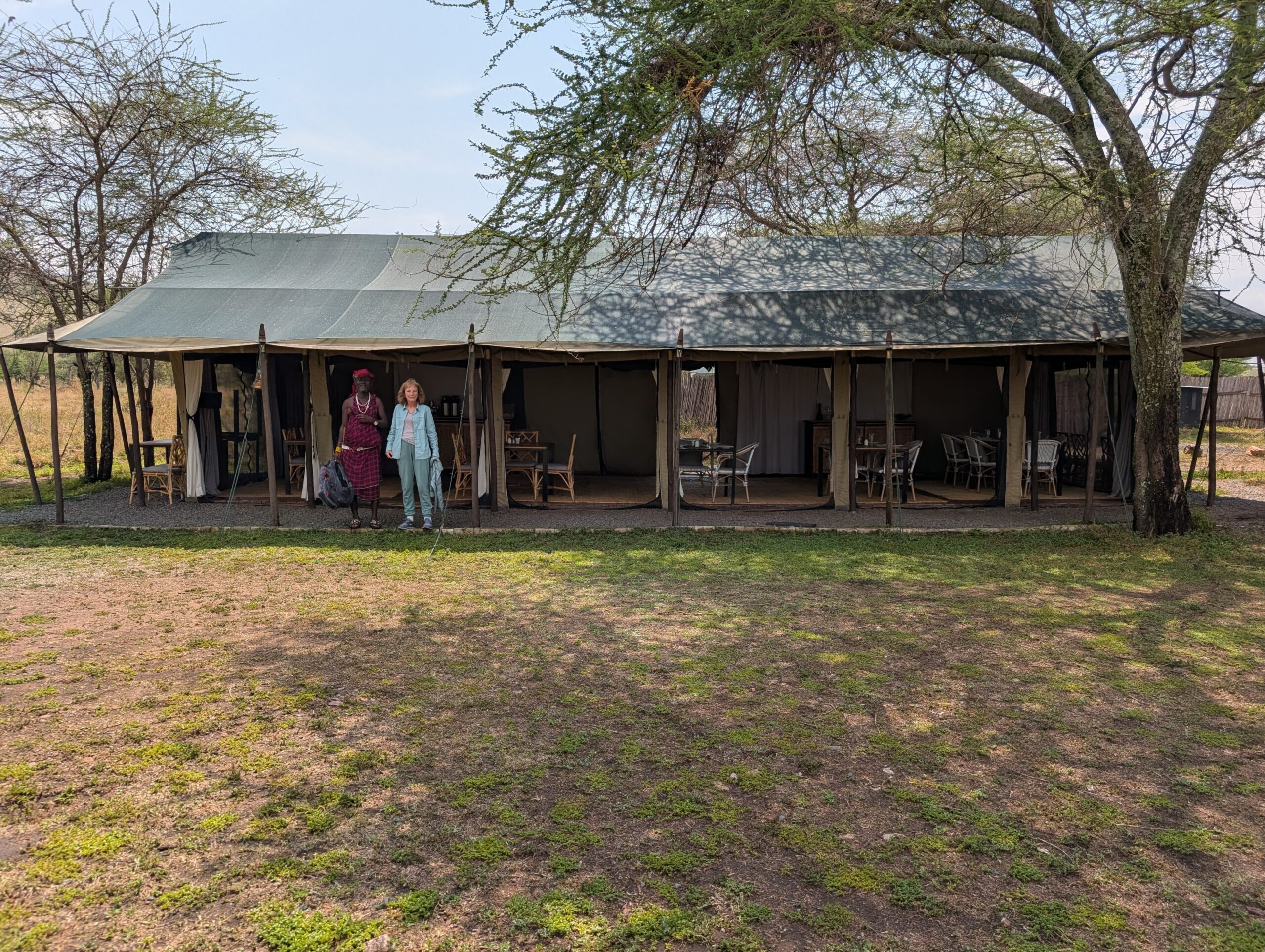
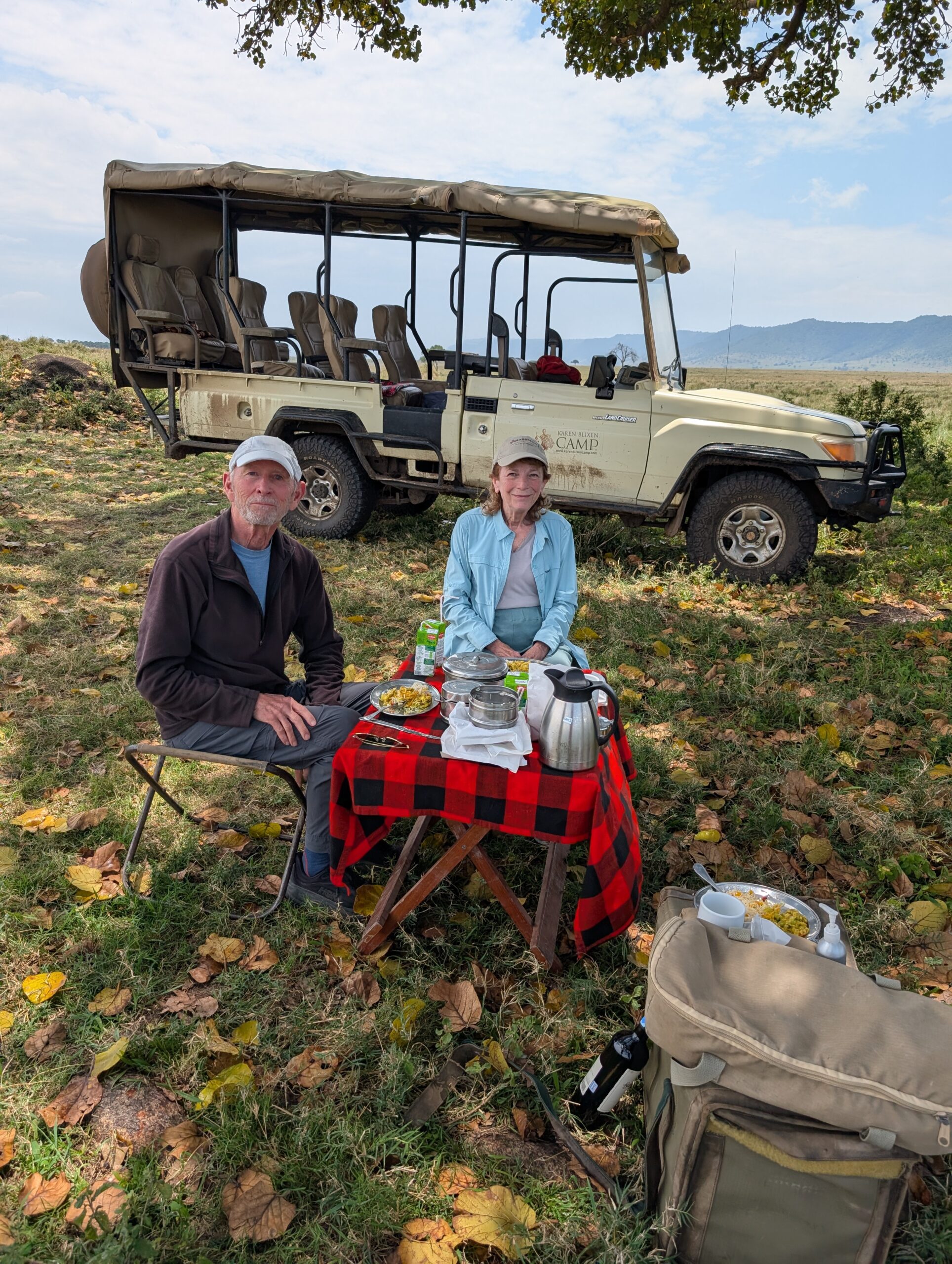
Our guides and drivers were also very friendly and helpful–and the vehicles were designed to promote good viewing (and photographs).
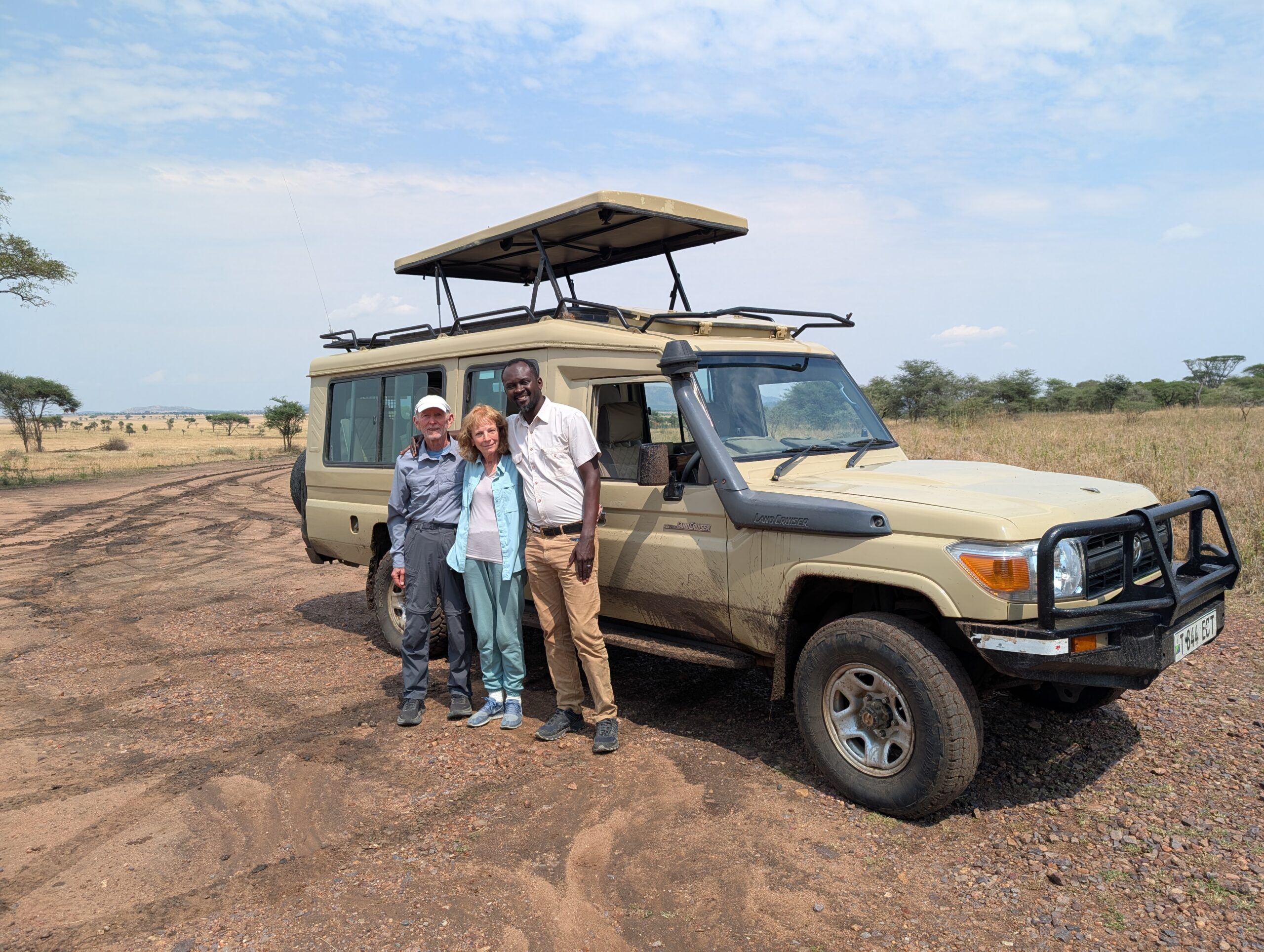
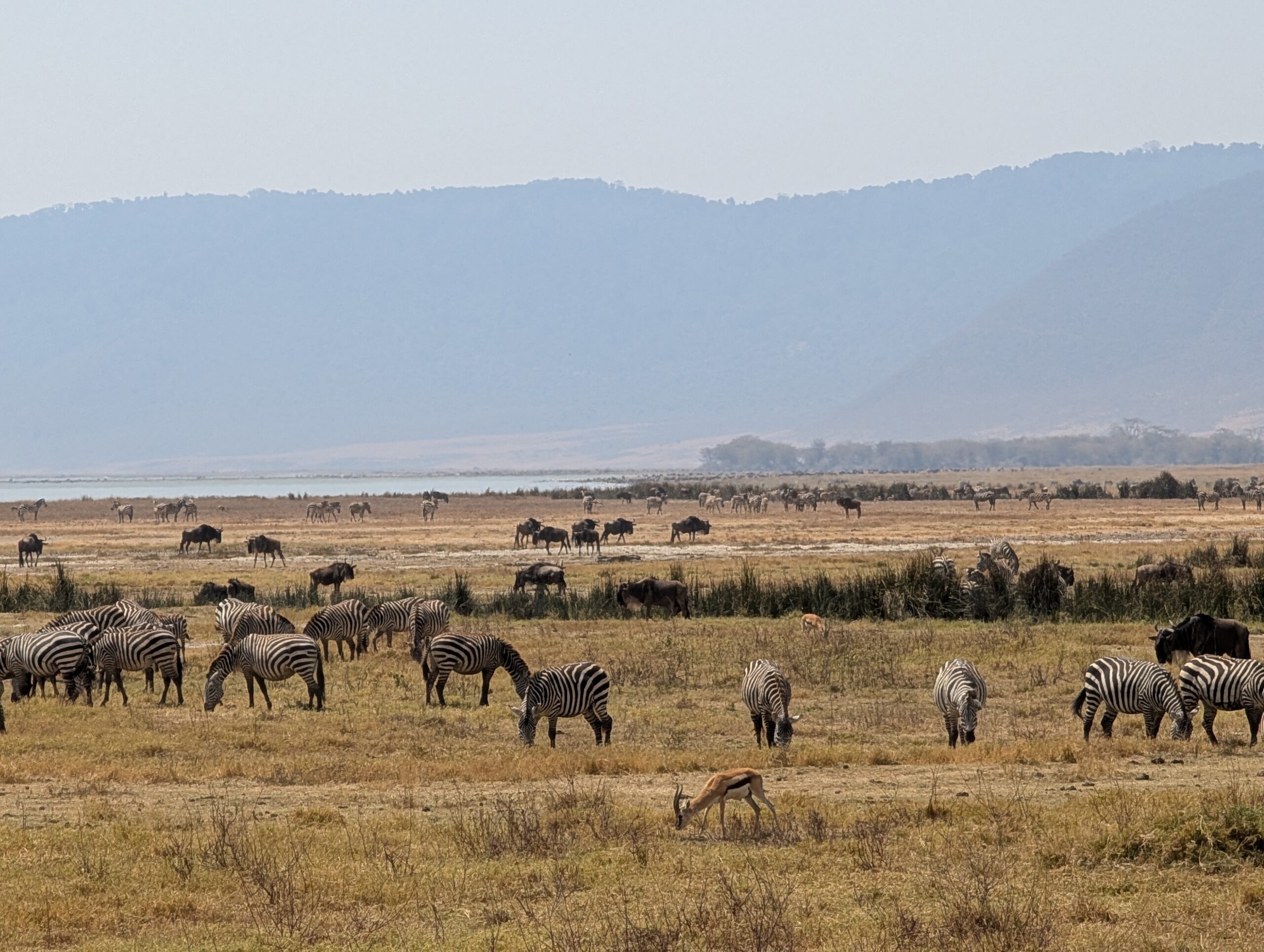
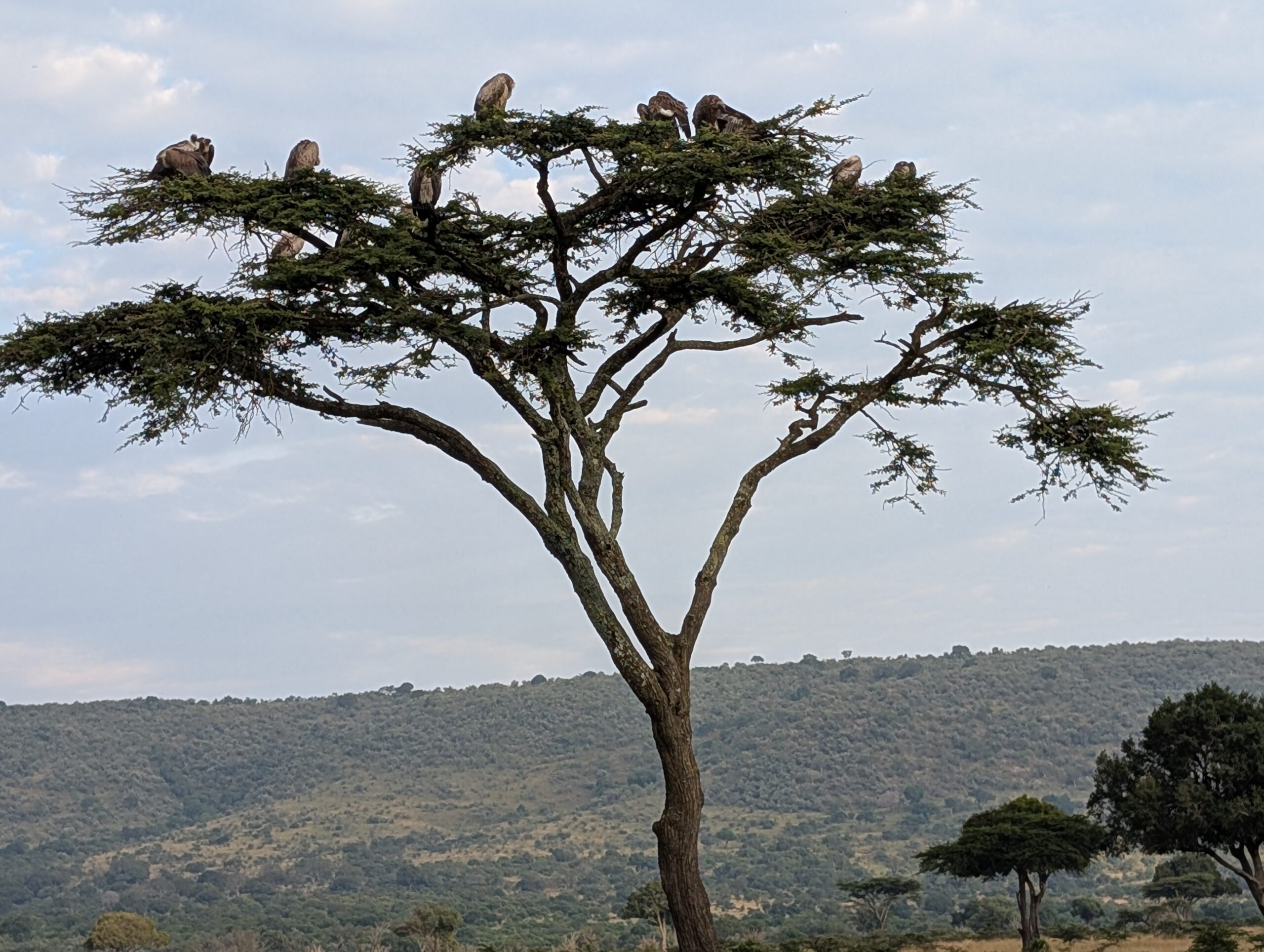
The landscape was gorgeous, and filled with animals…
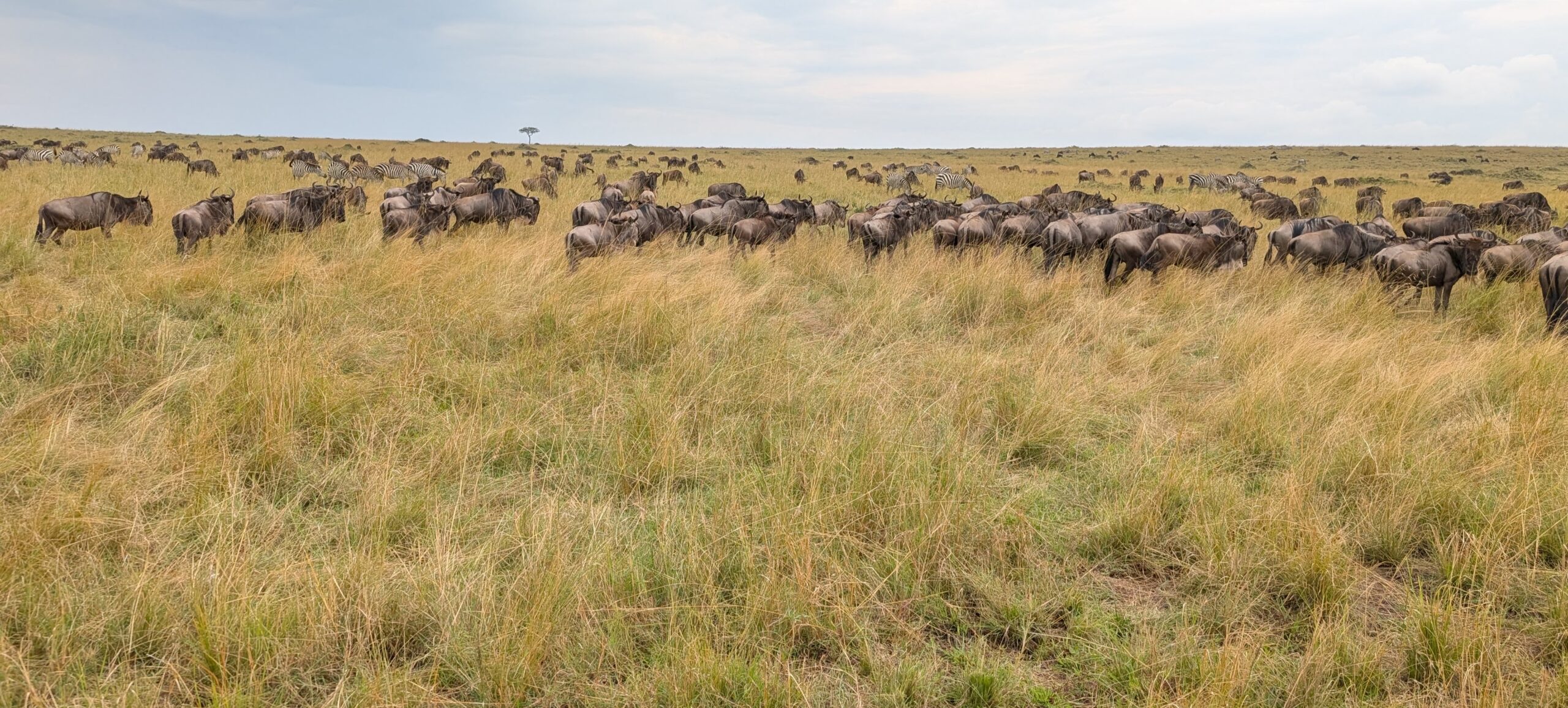
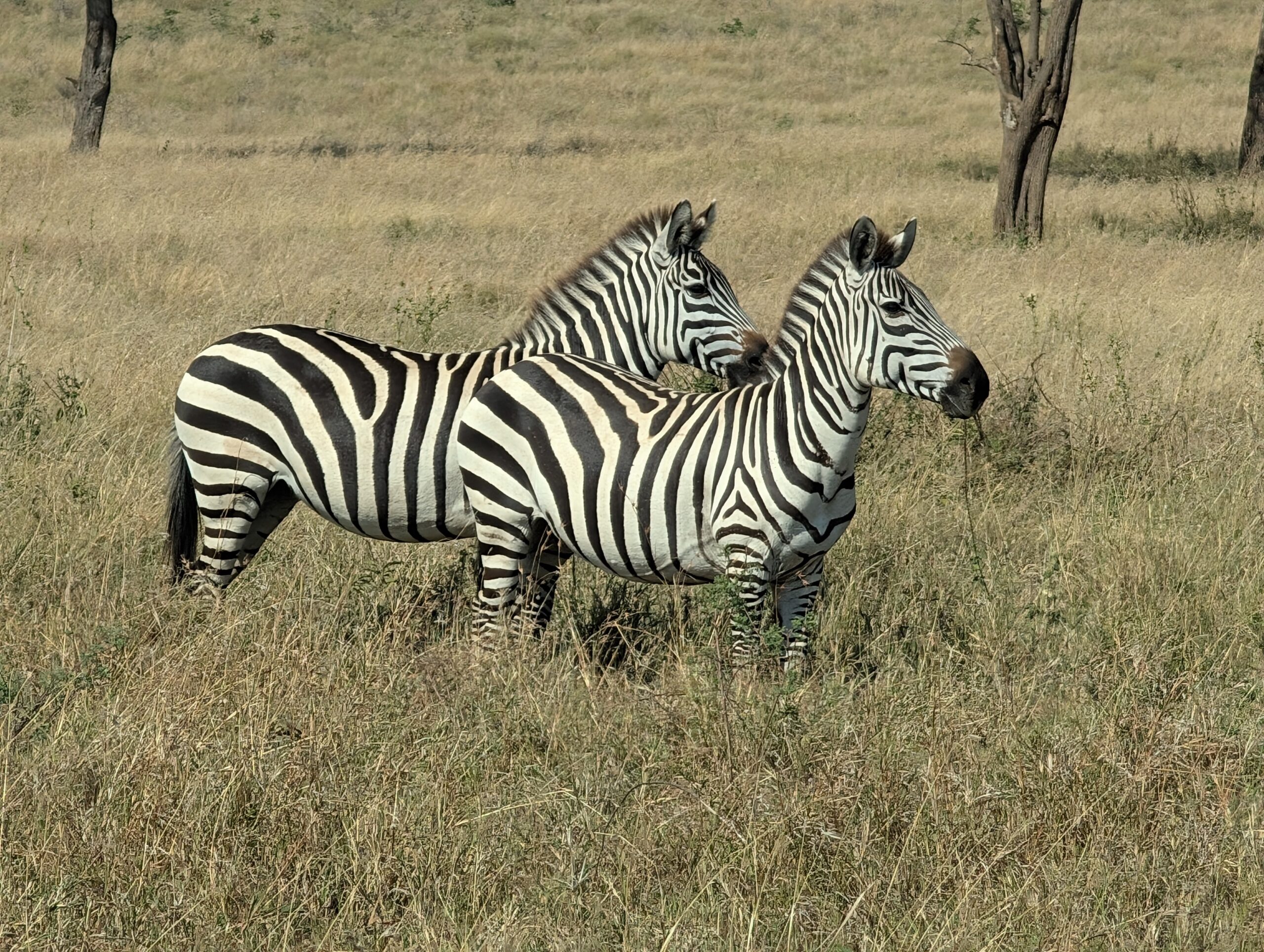
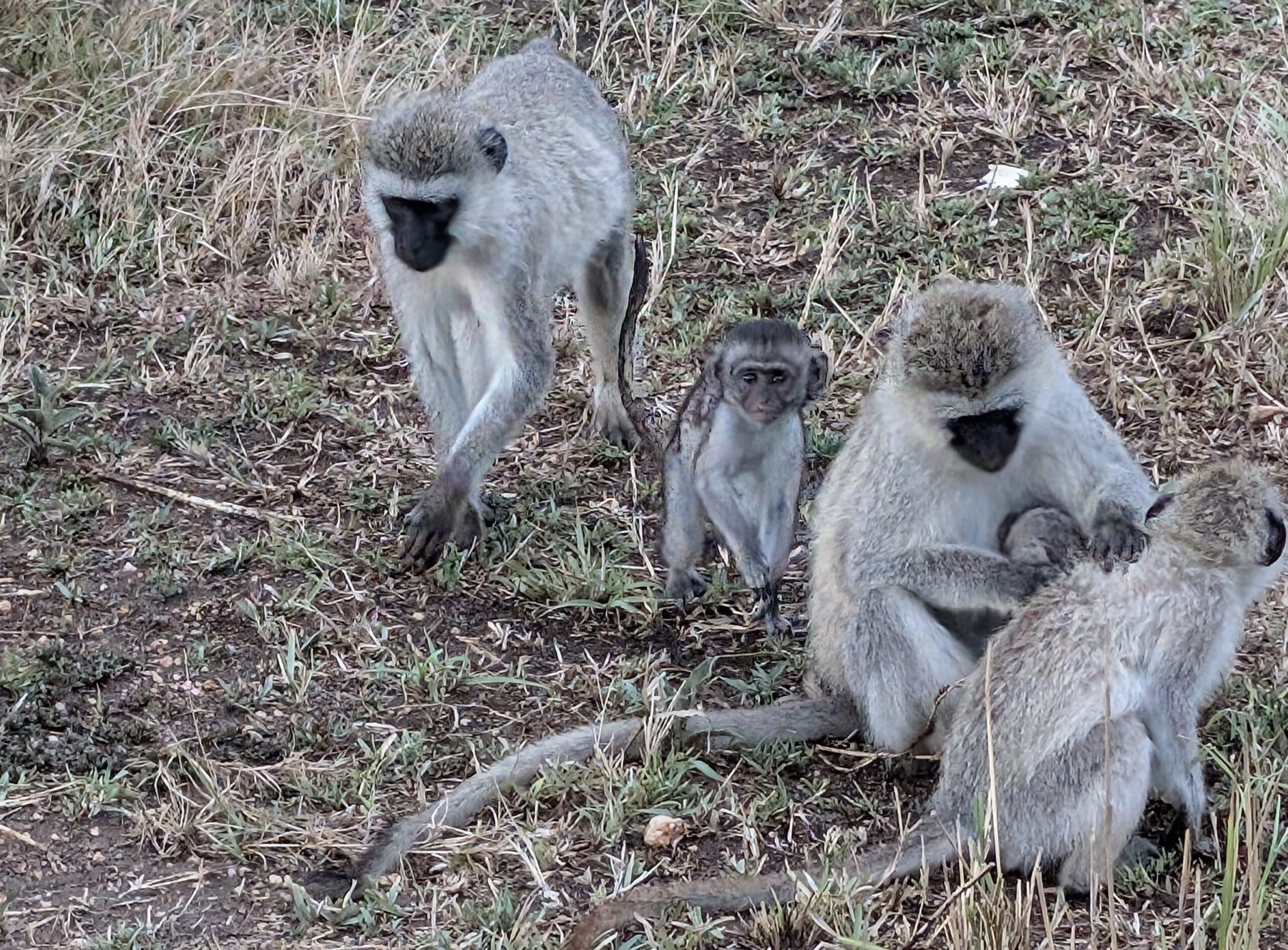
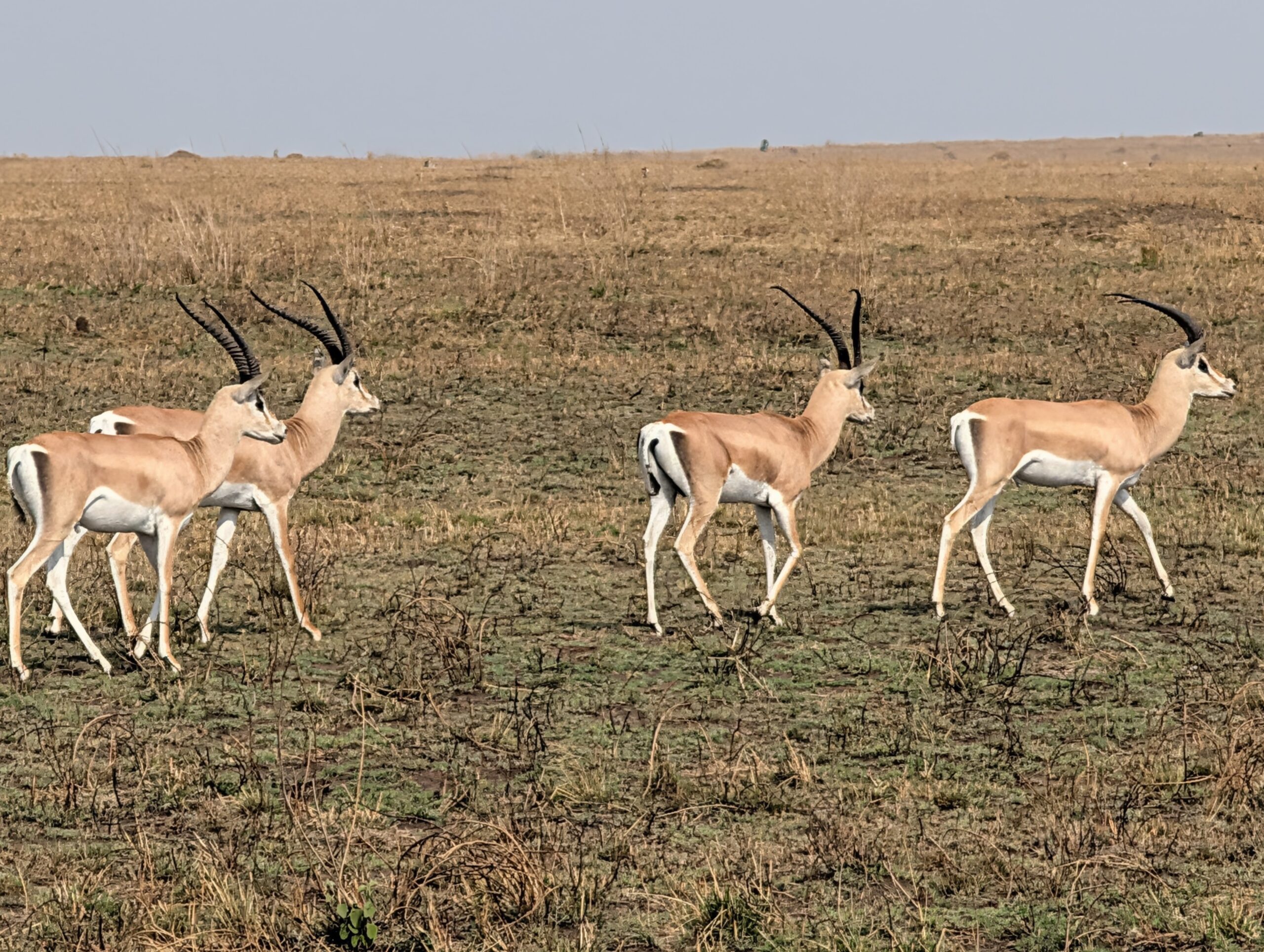
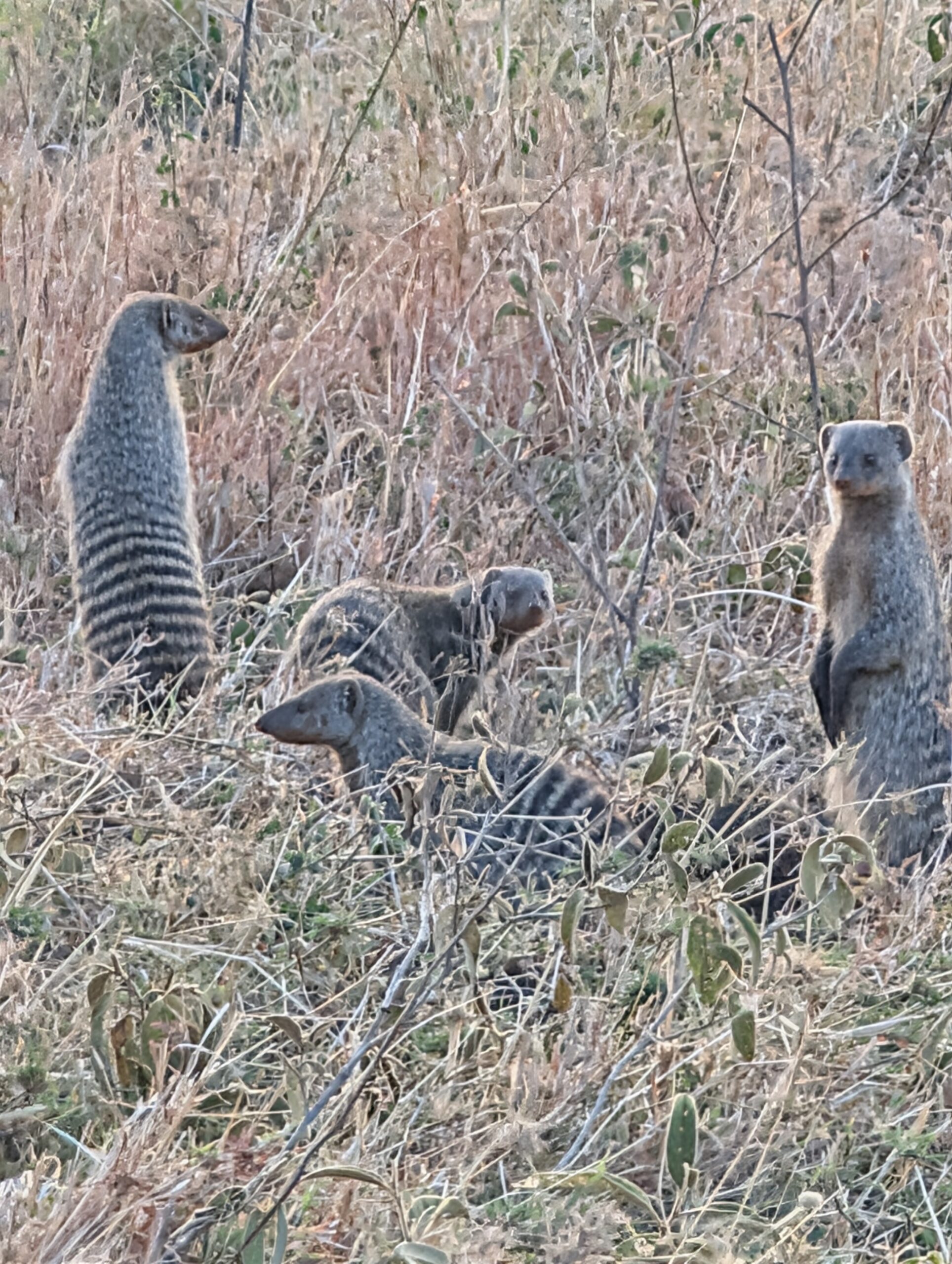
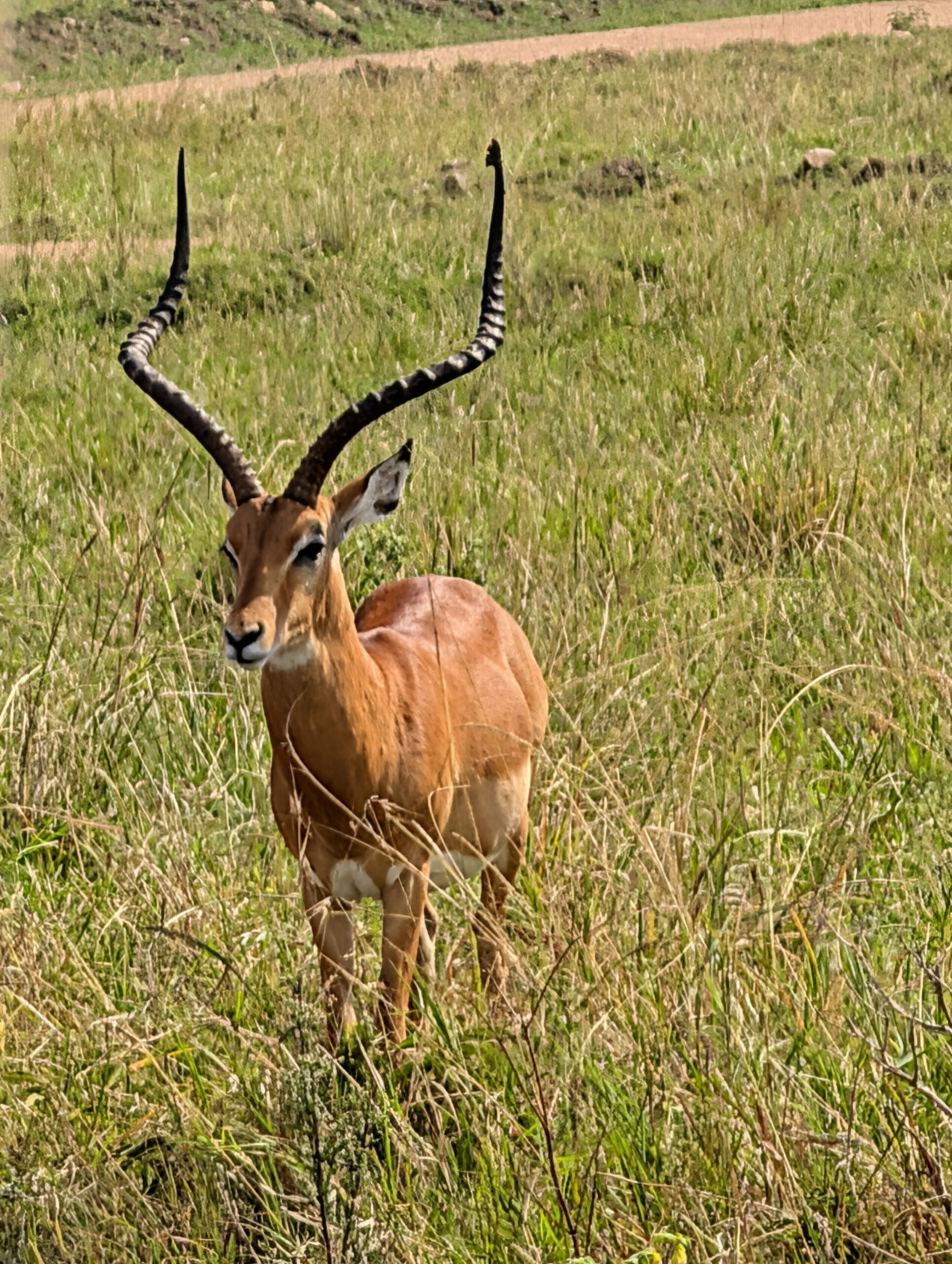
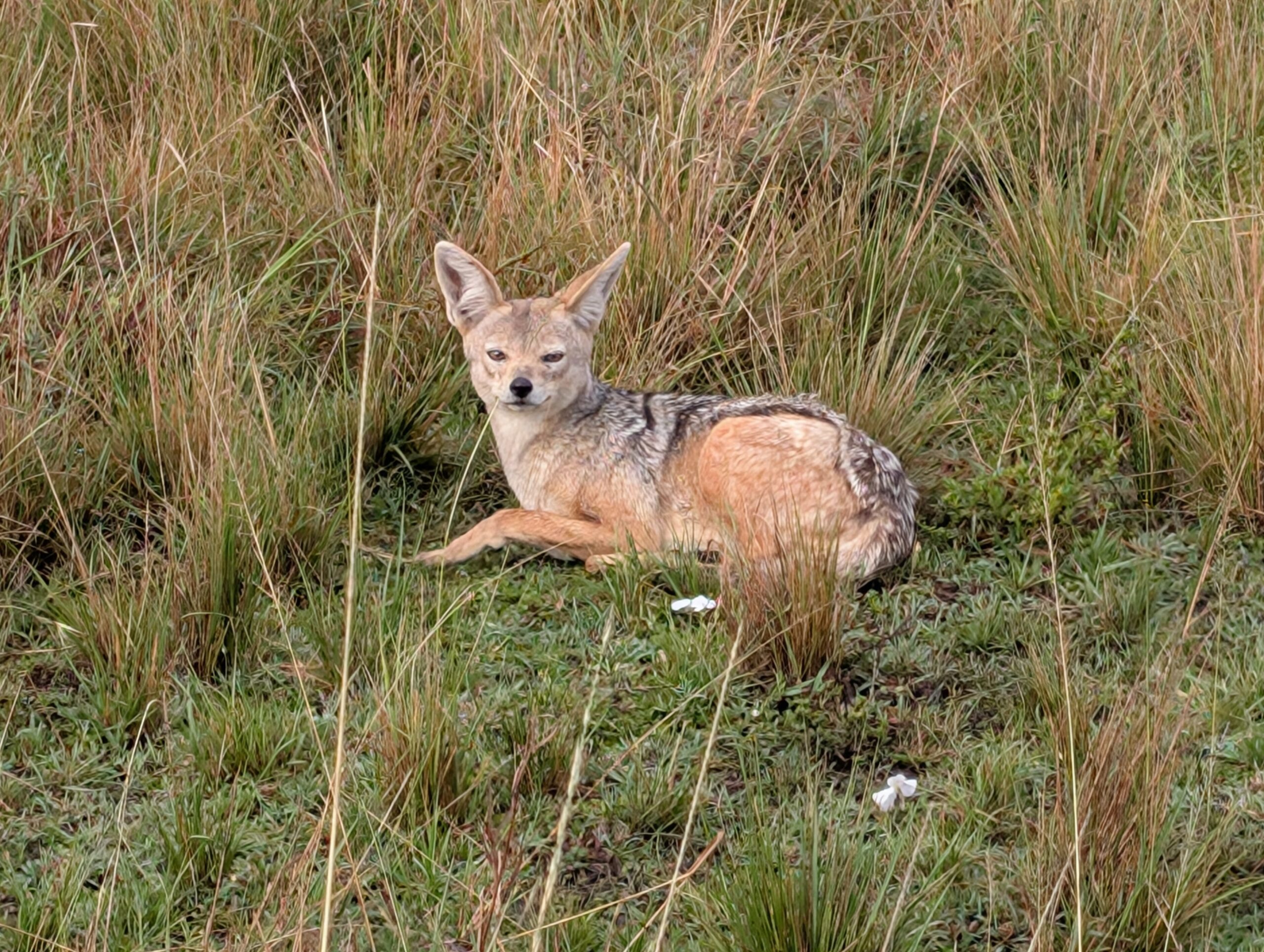
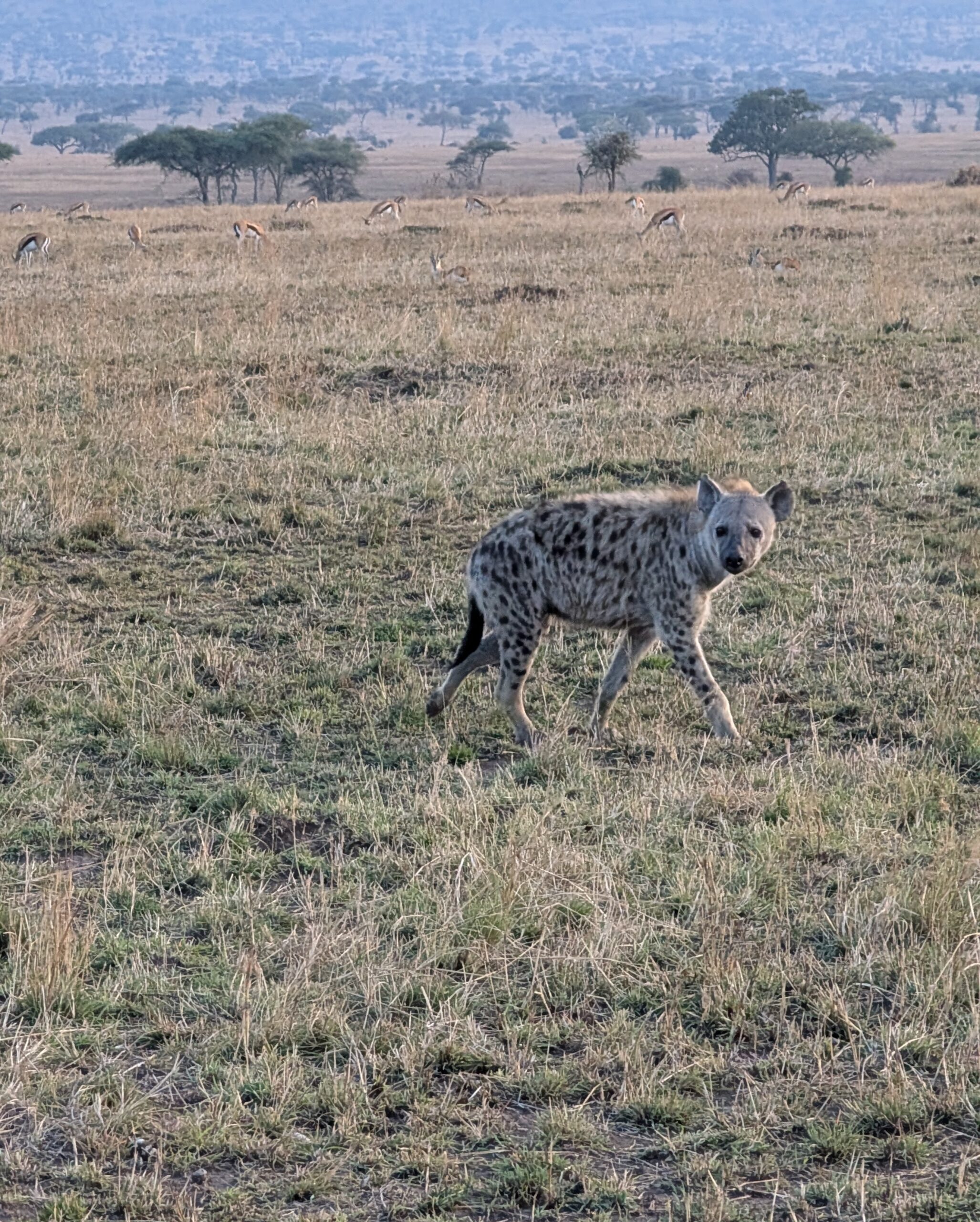
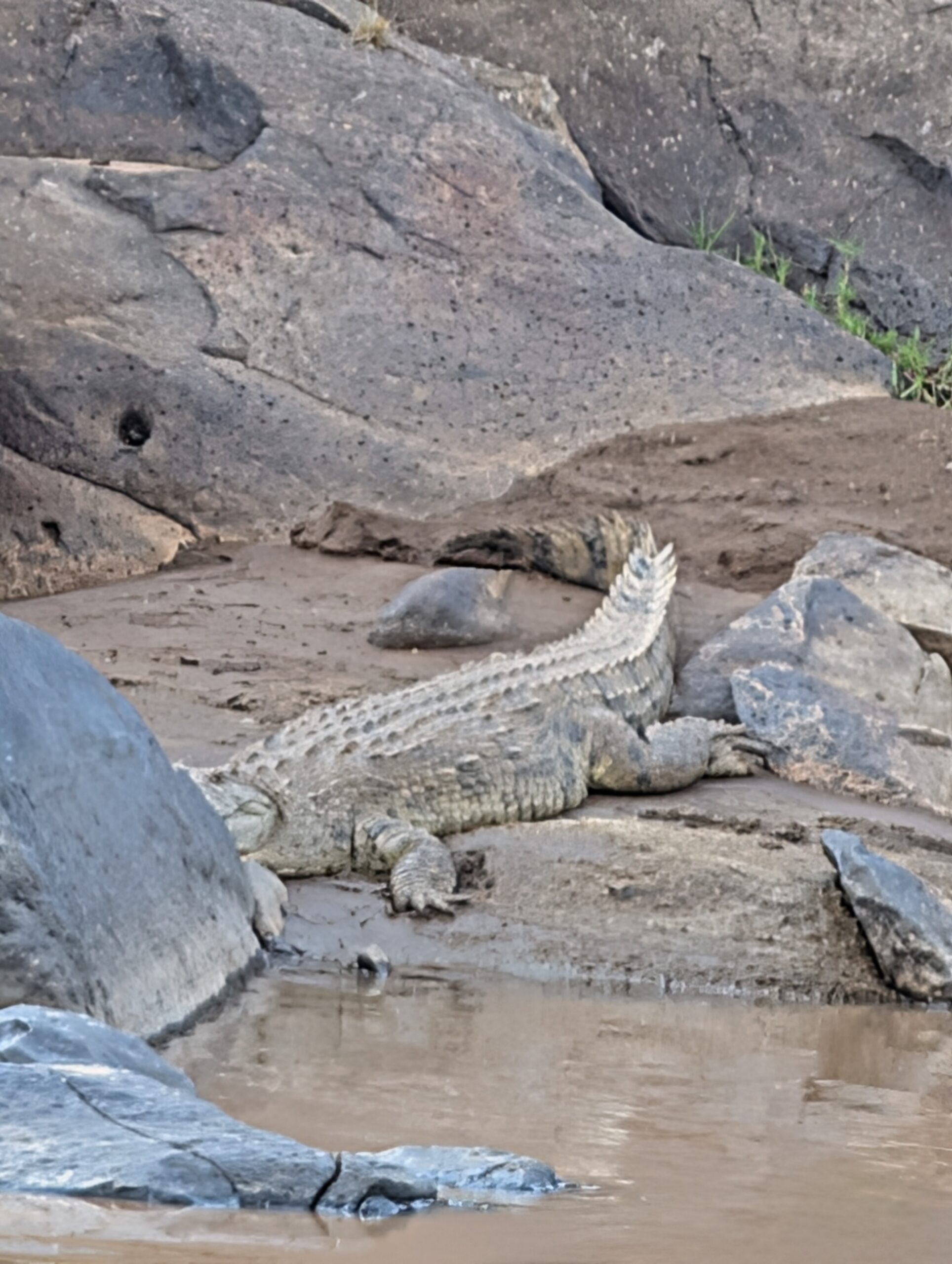
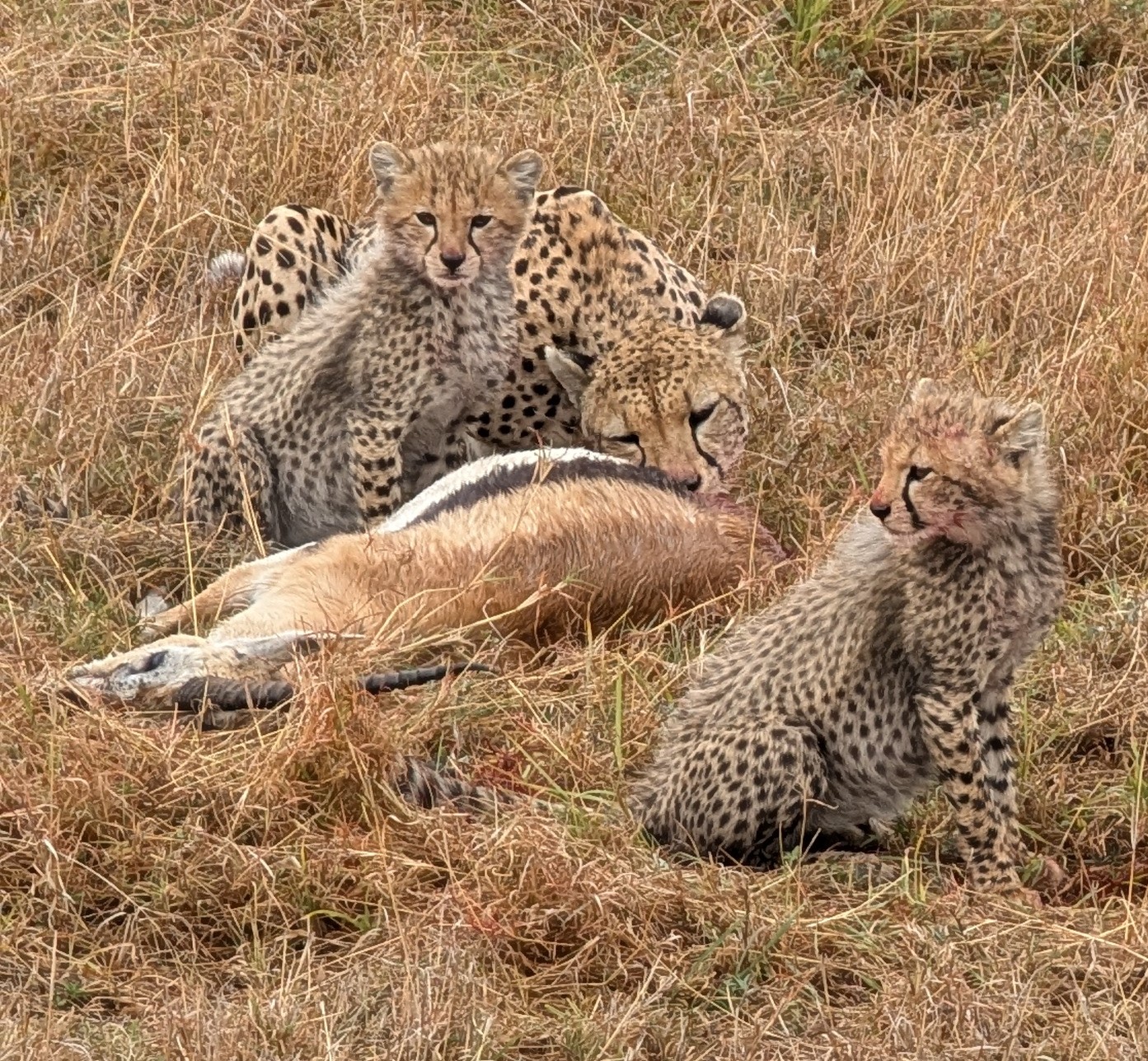
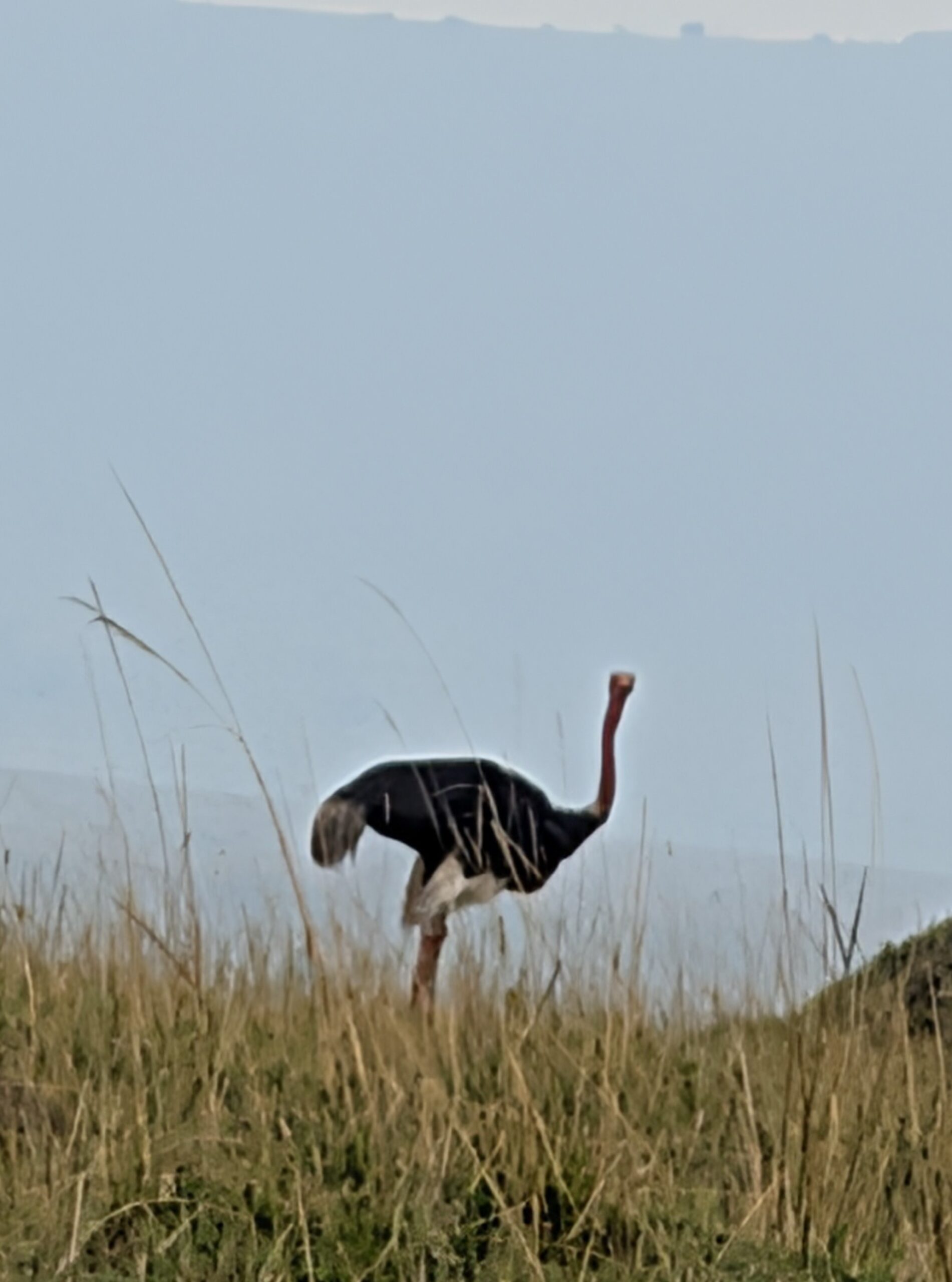
And speaking of animals, here are some that we saw. First, the non-predators (including, of course, the requisite elephants and giraffes):
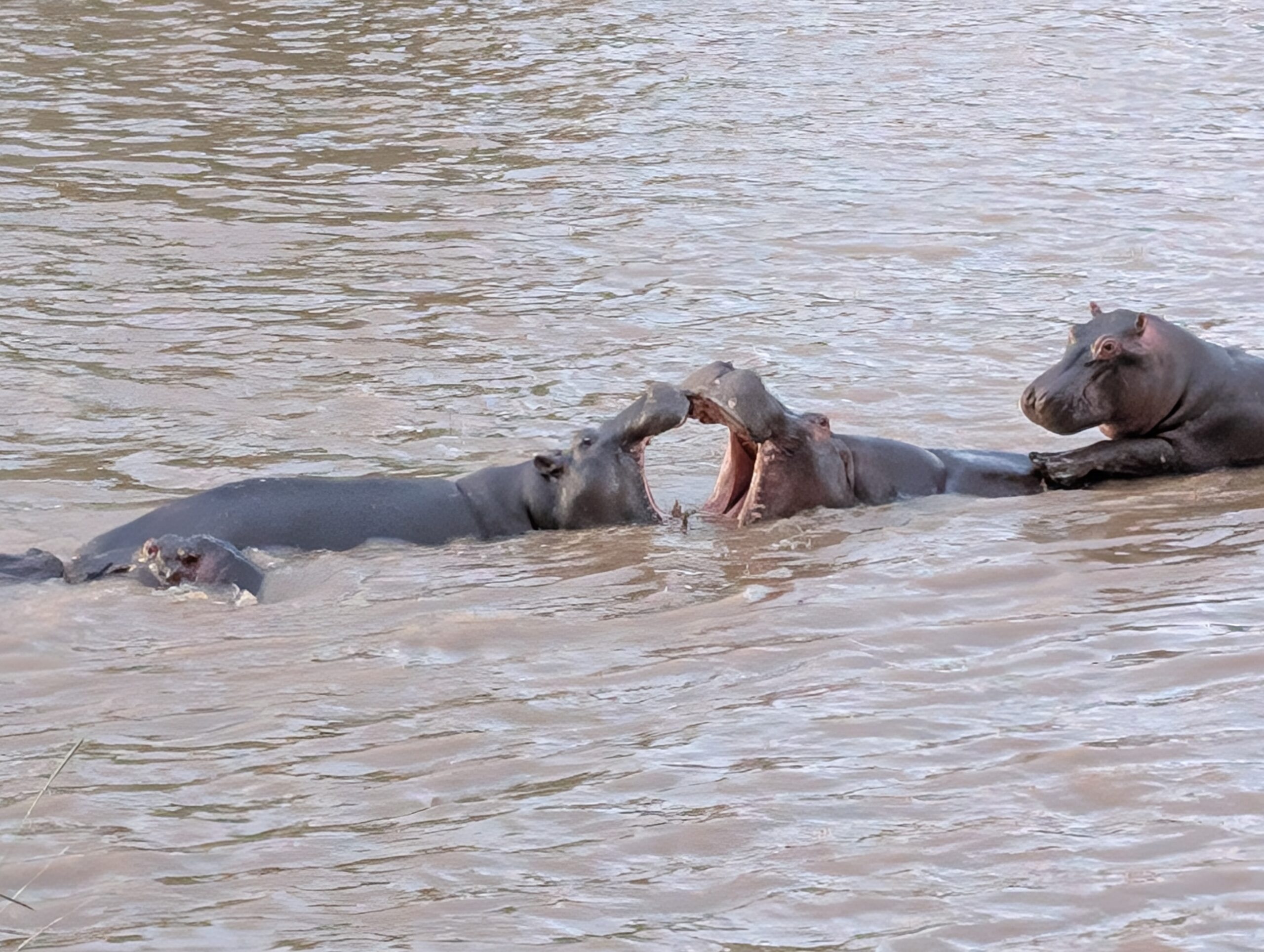
. . . and, of course the predators:
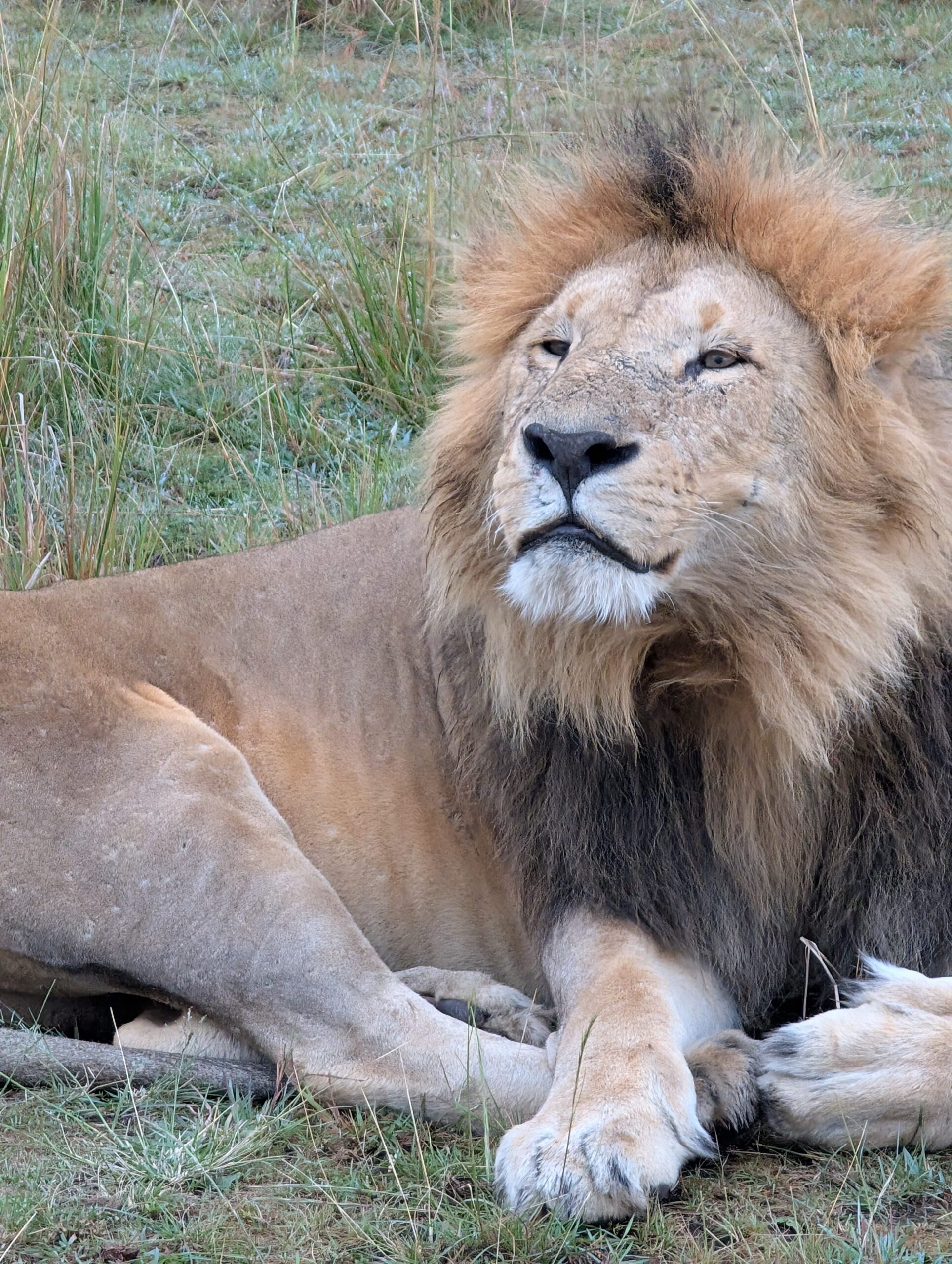
When people speak (or write) about safaris, there’s one part of the trip you don’t hear much about: the people. And yet, for me, as thrilling as it was to see the animals up close and in their native habitat, the people were, in many ways, the most interesting aspect of the trip.

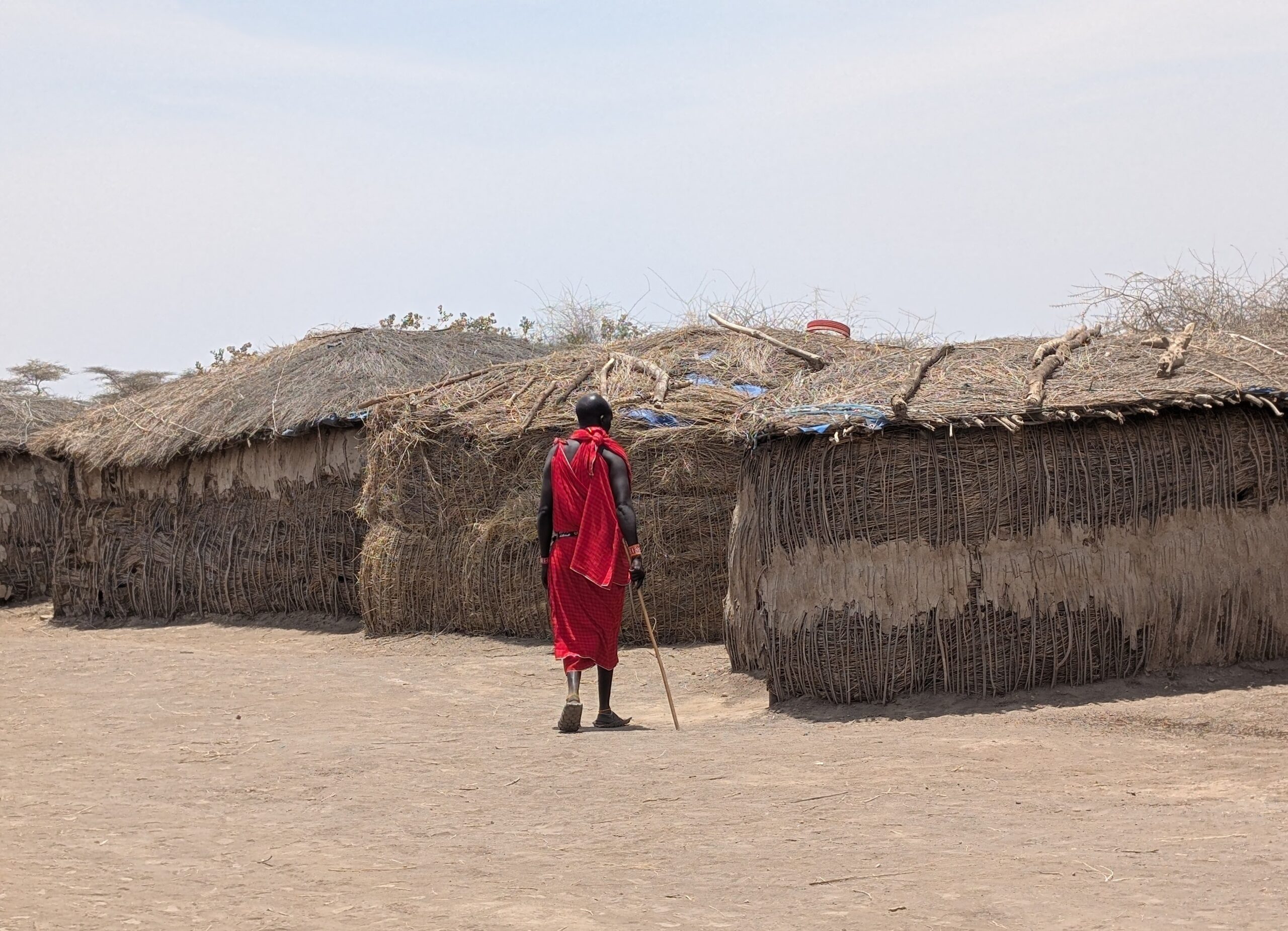
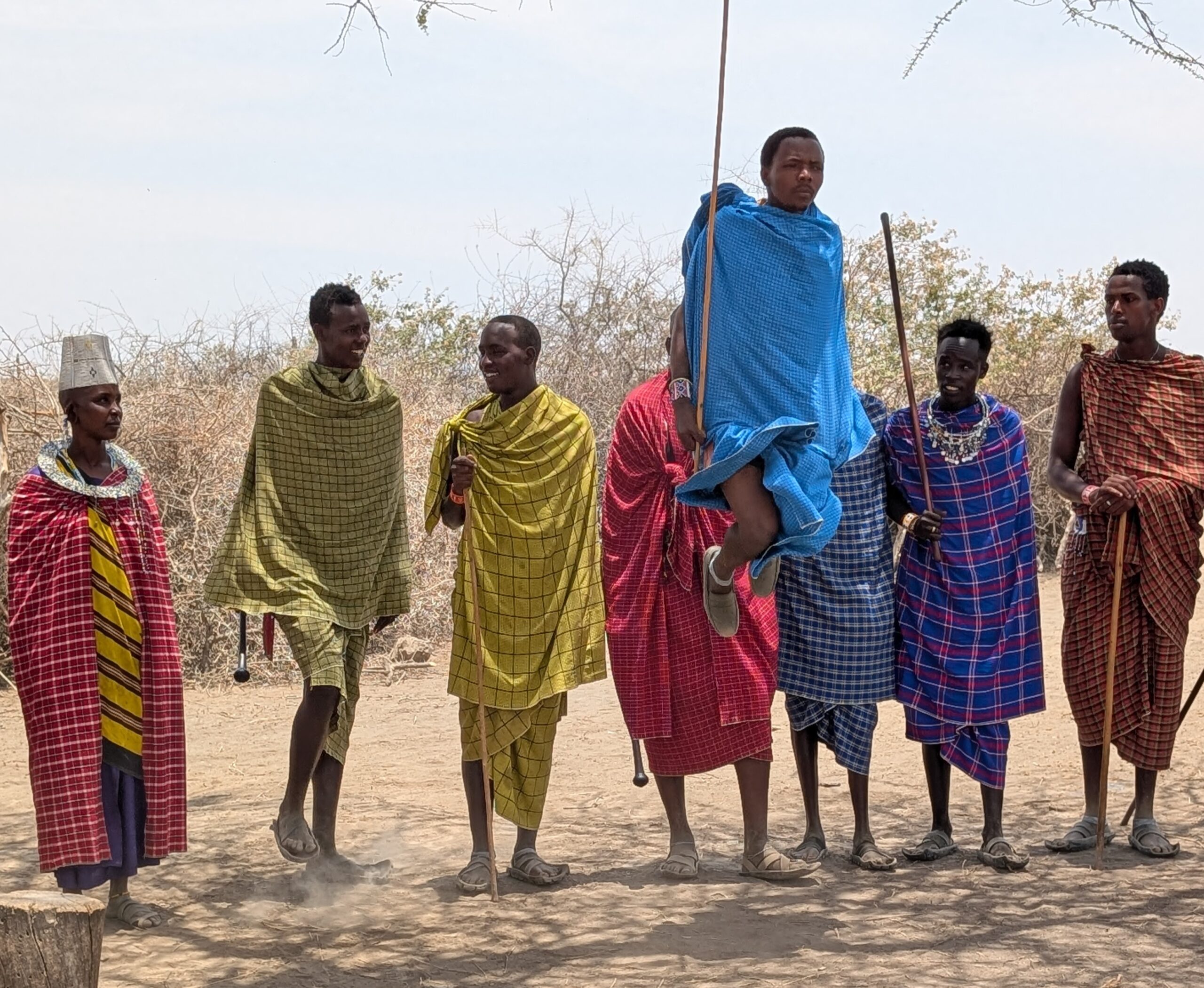
The Ma’asai are the only tribe allowed to live within the national parks of Tanzania and Kenya because they are the only ones whose lifestyle does not upset the natural balance of the animals in the wild. They are not hunters, nor gatherers, nor farmers. Rather, they herd their own cattle, living peacefully side-by-side with the wild animals. We were lucky enough to visit a Ma’asai village, to observe a dance in which the men prove their manhood by jumping impressively high, and to visit a small elementary school in the village.
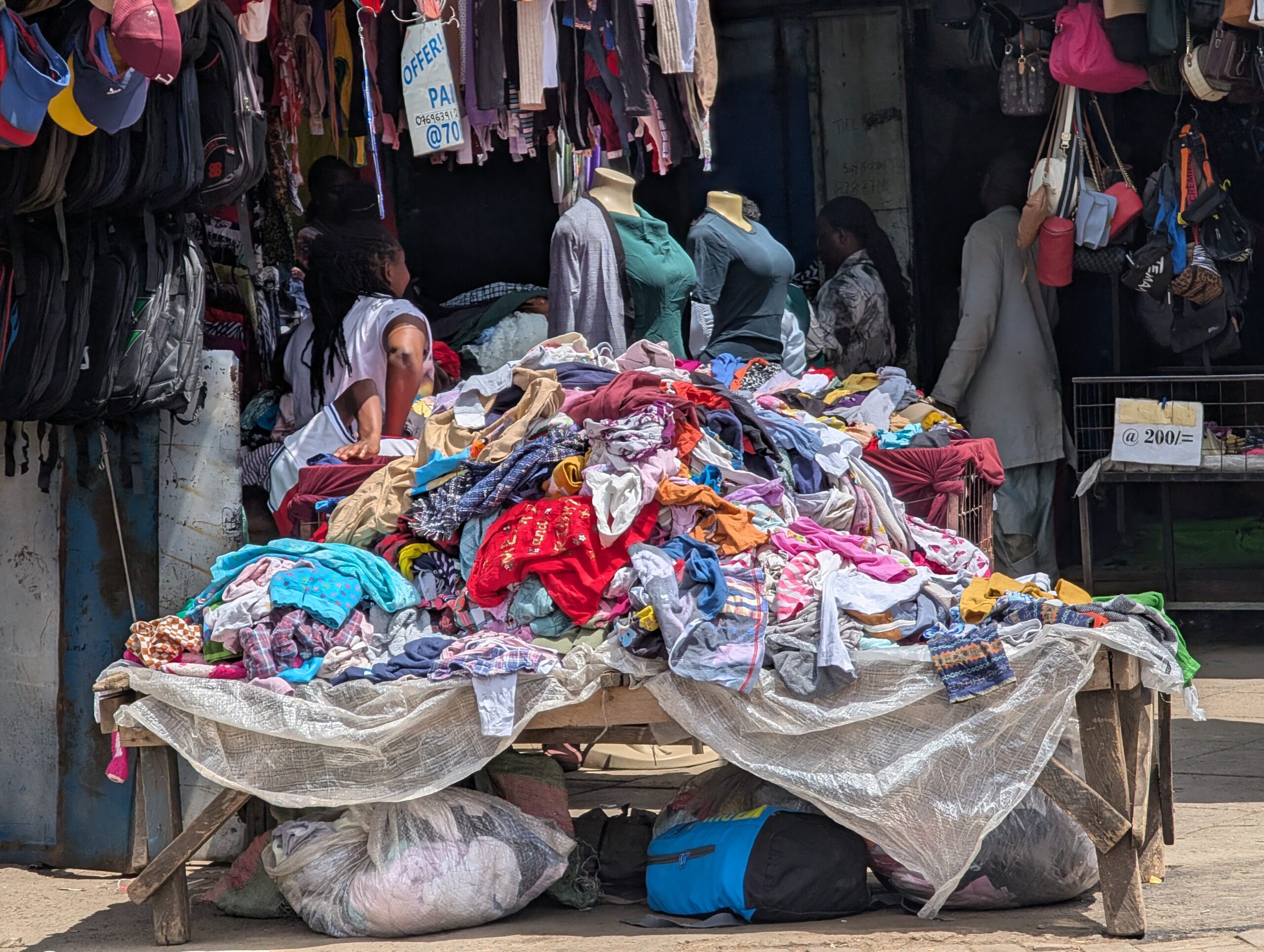
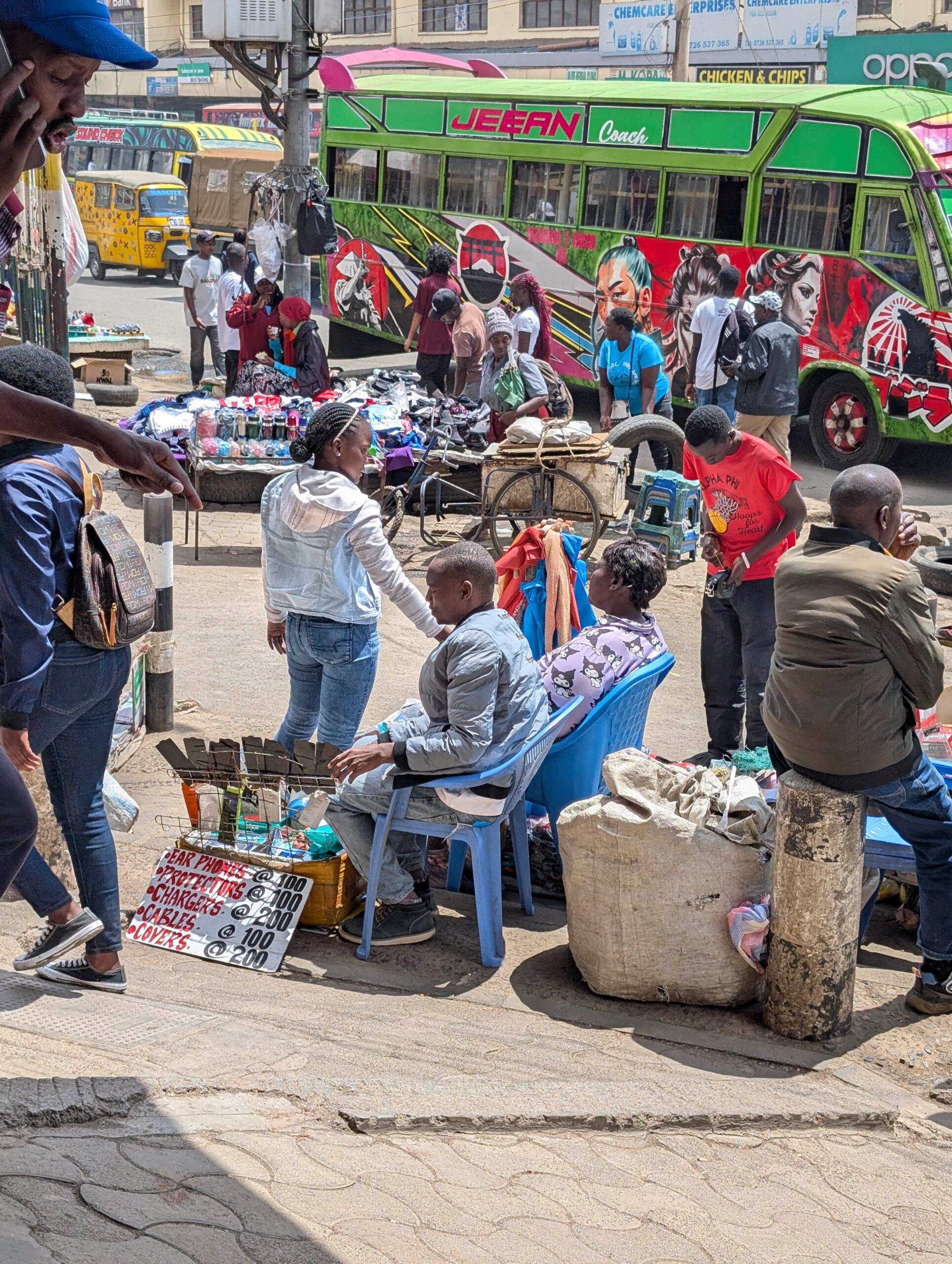
We also took an eye-opening walk in downtown central Nairobi, which was at once colorful and full of life, and also distressingly poor.
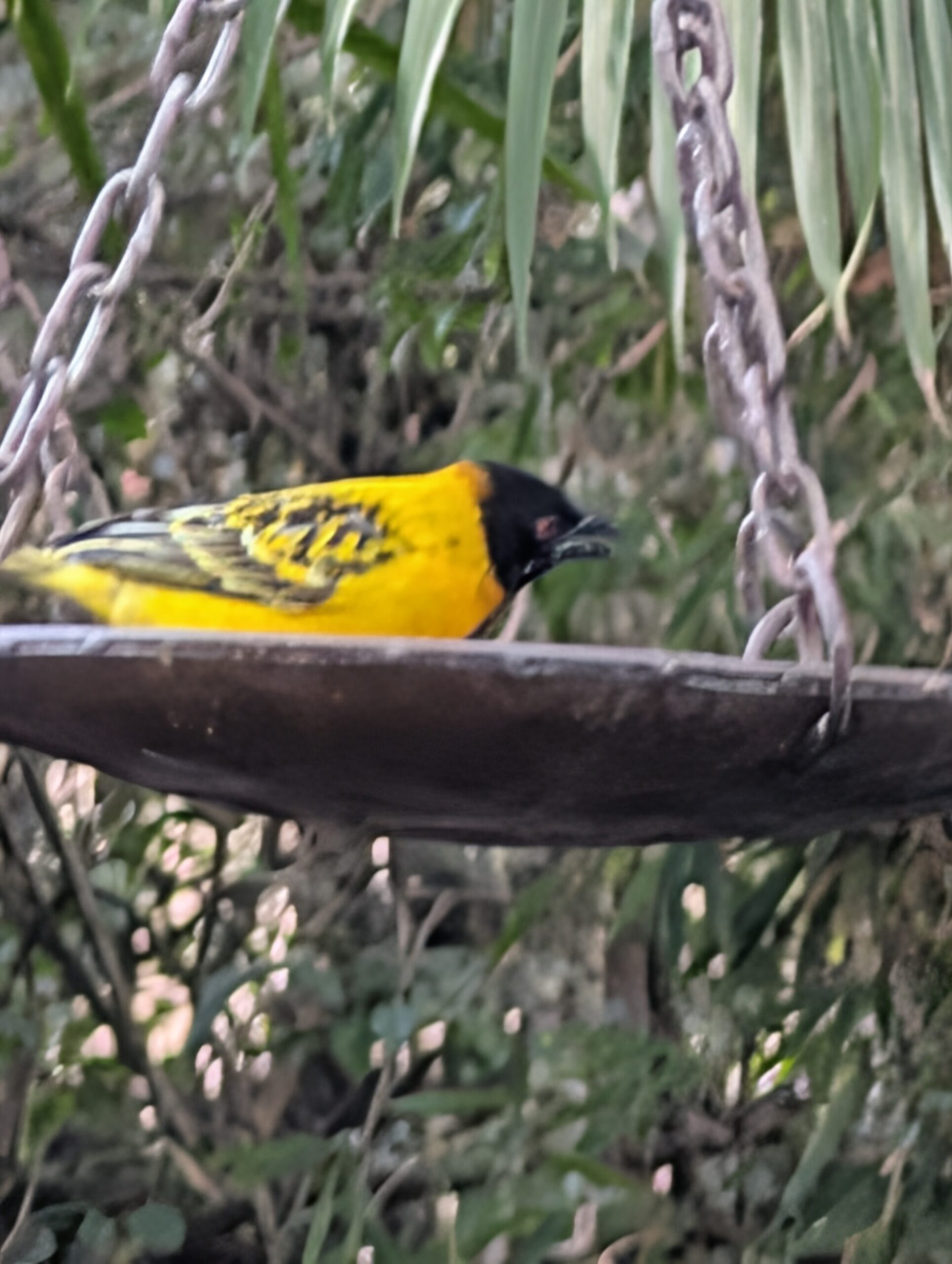
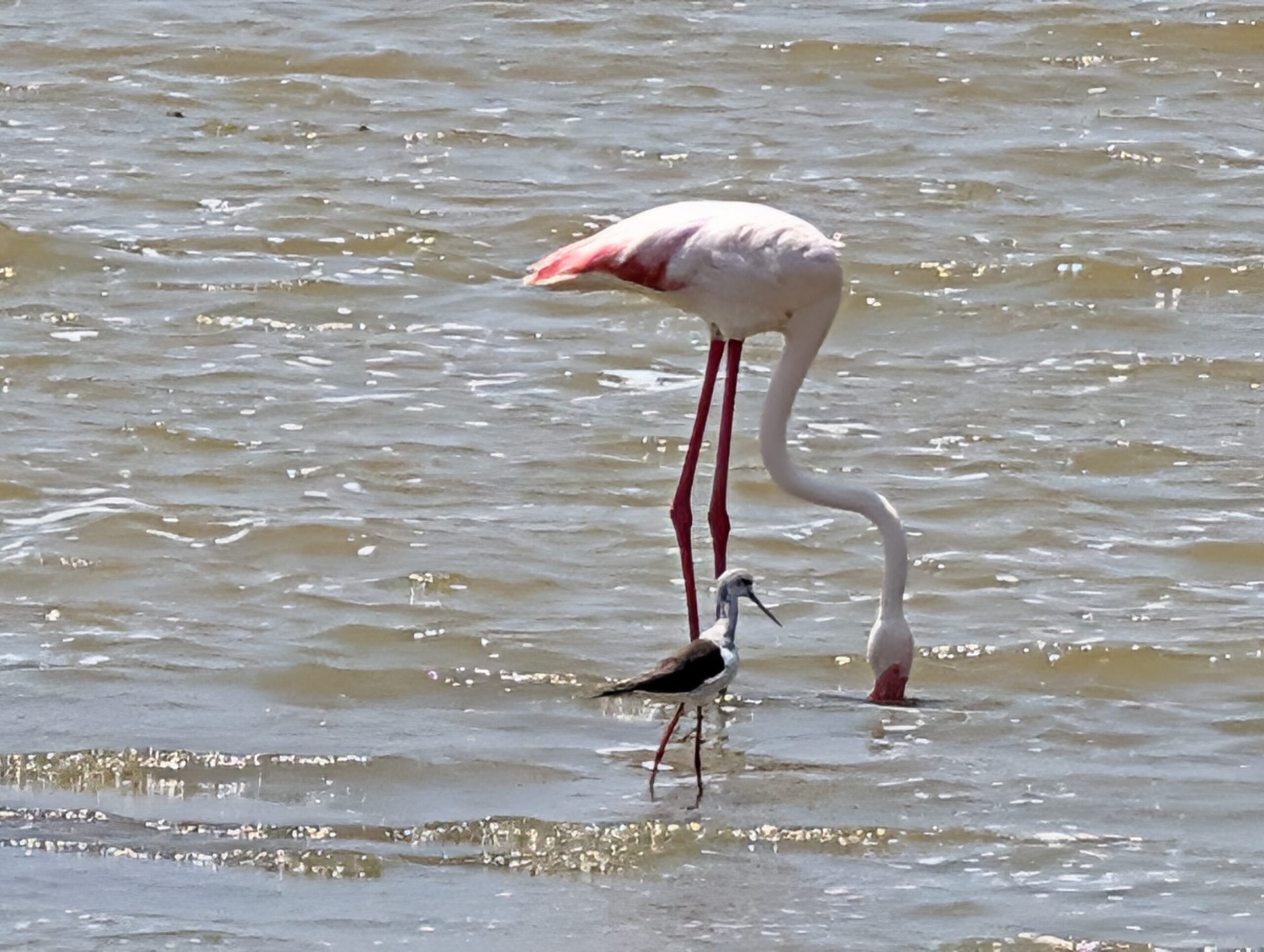
One of the more surprising things about this safari was that the birds–even the ordinary ones–were quite beautiful.
Asakusa — the Sensoji Temple

Asakusa is considered an important “shitamachi” (that’s “low city” to you!) district of Tokyo. It does have its few high-rise and modern buildings, but many older streets and structures survive.

?

But more of that later.

First, an important lesson in pronouncing Japanese. This will be helpful to anyone (well, any American English speaker, anyway) contemplating a trip to Japan. An American acquaintance of mine who spent a lot of time in Japan explained Japanese pronunciation this way: “They speak really fast and run all their syllables together.” I did not find this to be true, though I did find myself nearly choking on my tongue when trying to repeat the names of places the way they were announced in trains and subways.

Those of you who, like me, speak American English as a native language probably imagine that the name of this district would be pronounced “AH-suh-KOO-sah.” But this would be terribly wrong. The closest I was able to get is “Ah-SOCK-sah.” (I think the “u” is just there to space out the “k” and the “s” a little.) In general, I found I could get closer to correct by placing a strong emphasis on the second syllable rather than the first and third. Thus, for example, “Ka-NAH-z-wah” is better than “KA-na-ZA-wah.” Just so you know.

We visited Asakusa twice–once early in our trip, late in the morning; and then again on our very last day, when we spent an evening there and then got an early start in the morning. The early start turns out to be important, as the district can be crowded with tourists.

sm20160912_093346

The biggest tourist draw in Asakusa is the Buddhist Sensoji Temple. This temple is the oldest in Tokyo–originally built when Asakusa was just a fishing village in the seventh century–occupies a complex of numerous buildings, artifacts, and landscape features. The temple building and its ancillary structures are remarkable. I loved the large lanterns in the doorways.

sm20160926_090034

sm20160926_090107

sm20160926_090146

sm20160926_090252

The roof tiles of the main hall, rebuilt in its original style after its destruction in World War II, are made of titanium.

I like this statue and the dragons on his fountain:

sm20160912_094814cr

Also, there are a number of lions.

sm20160912_095634

sm20160912_095713cr

Decorative details include warriors and imaginative beasts.

sm20160912_095748

sm20160912_095831

sm20160912_095841

sm20160912_095922

More on other parts of the temple area in the next post.